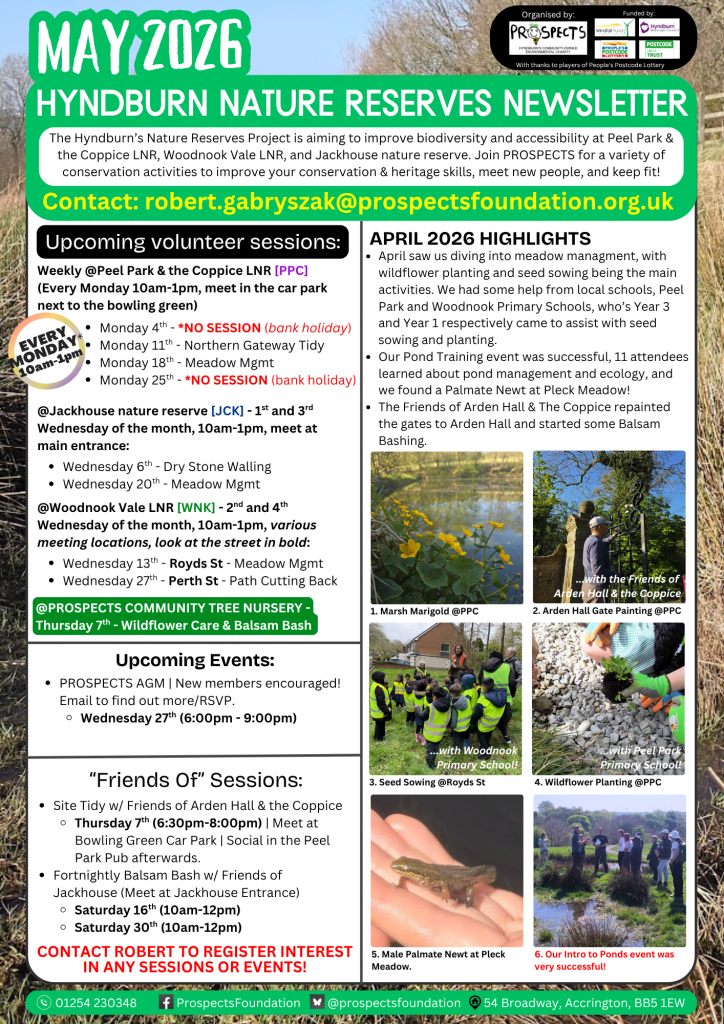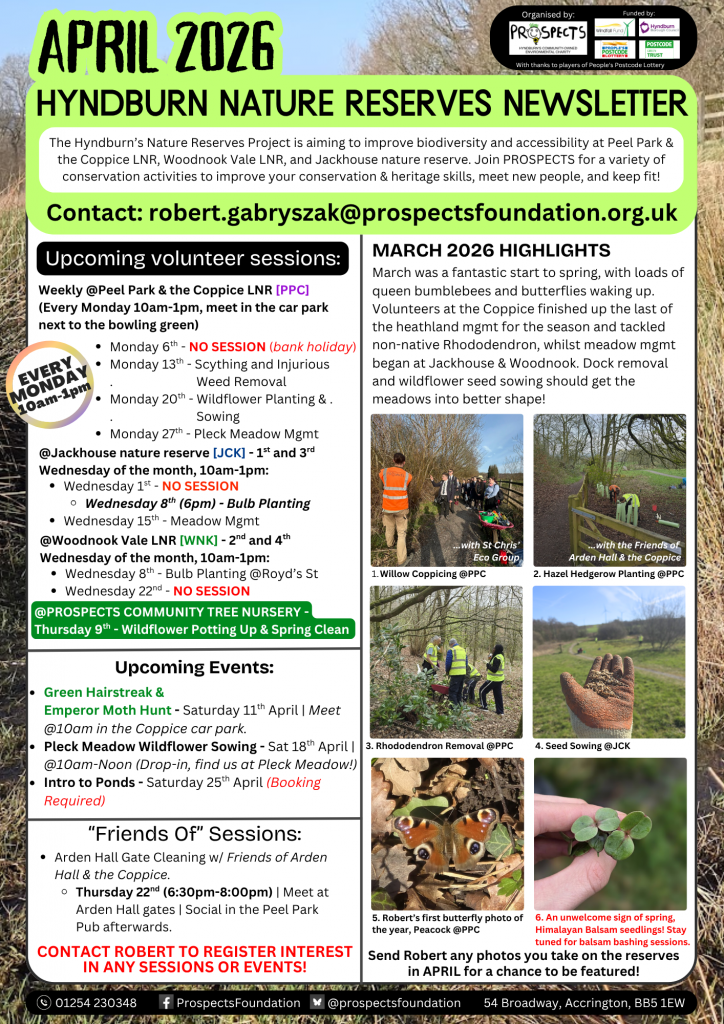
Pleck Meadow

UKBMS Survey Results 2025 @Peel Park & the Coppice LNR

The results are in!

Map showing the butterfly transect around Peel Park & the Coppice.

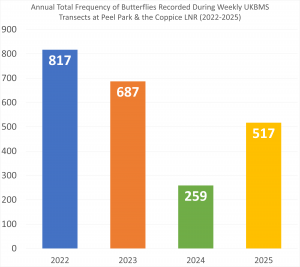
Throughout 2025, Project Officer, Robert Gabryszak, has continued with weekly UKBMS surveys at Peel Park & the Coppice LNR. The walk, or transect, starts at Pleck Meadow and continues through multiple habitats at the site, finishing on the heathland. 2024 was a devastating year for pollinator populations, sparking a Butterfly Emergency Declaration from Butterfly Conservation, with several other invertebrate charities supporting the urgency for immediate change to prevent further decline.

2025 has offered a much more optimistic outlook, as sunnier weather has resulted in a significant uptick. However, the main threats to invertebrate populations are still at play; habitat loss, pesticide use, and climate change are continuing to impact UK butterflies negatively. Additionally, the numbers are still lower than previous years, showing that some species have yet to recover.

Pleck Meadow (S1)
Woodland Edge (S4)
Heathland Habitat (S8)

Results Overview:
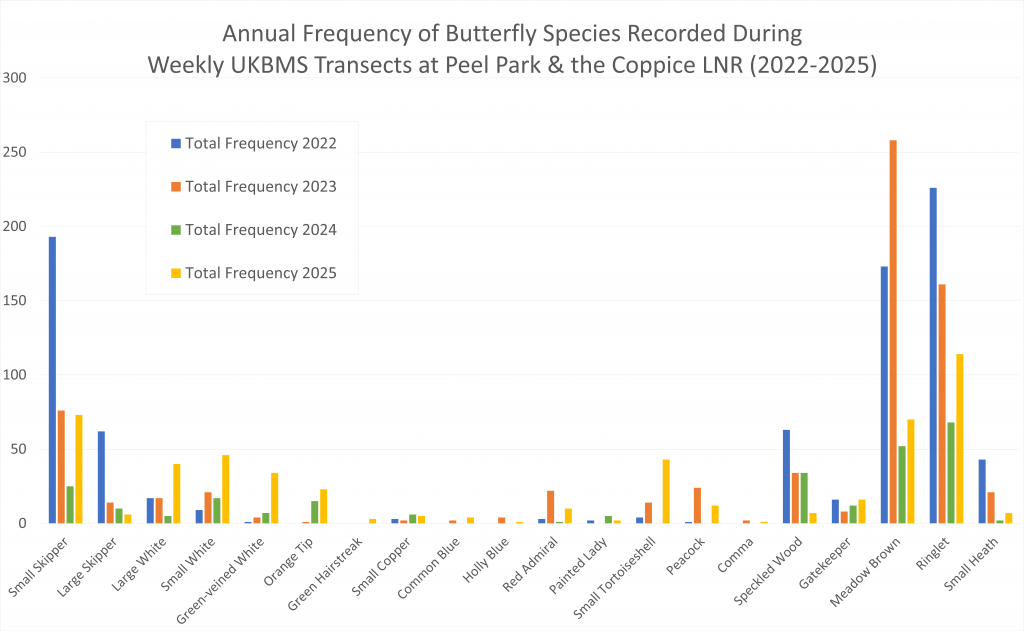
Breakdown by Species:
The good news:

 There were some great positives revealed from the transects:
  1. Green Hairstreak and Common Blue have been absent in previous years but have made their presence well known this year. The foodplant of Common Blue, Bird’s-foot-trefoil, has seen a massive increase in abundance at Pleck Meadow thanks to the management there, which may be the reason for the observation of male and female individuals.
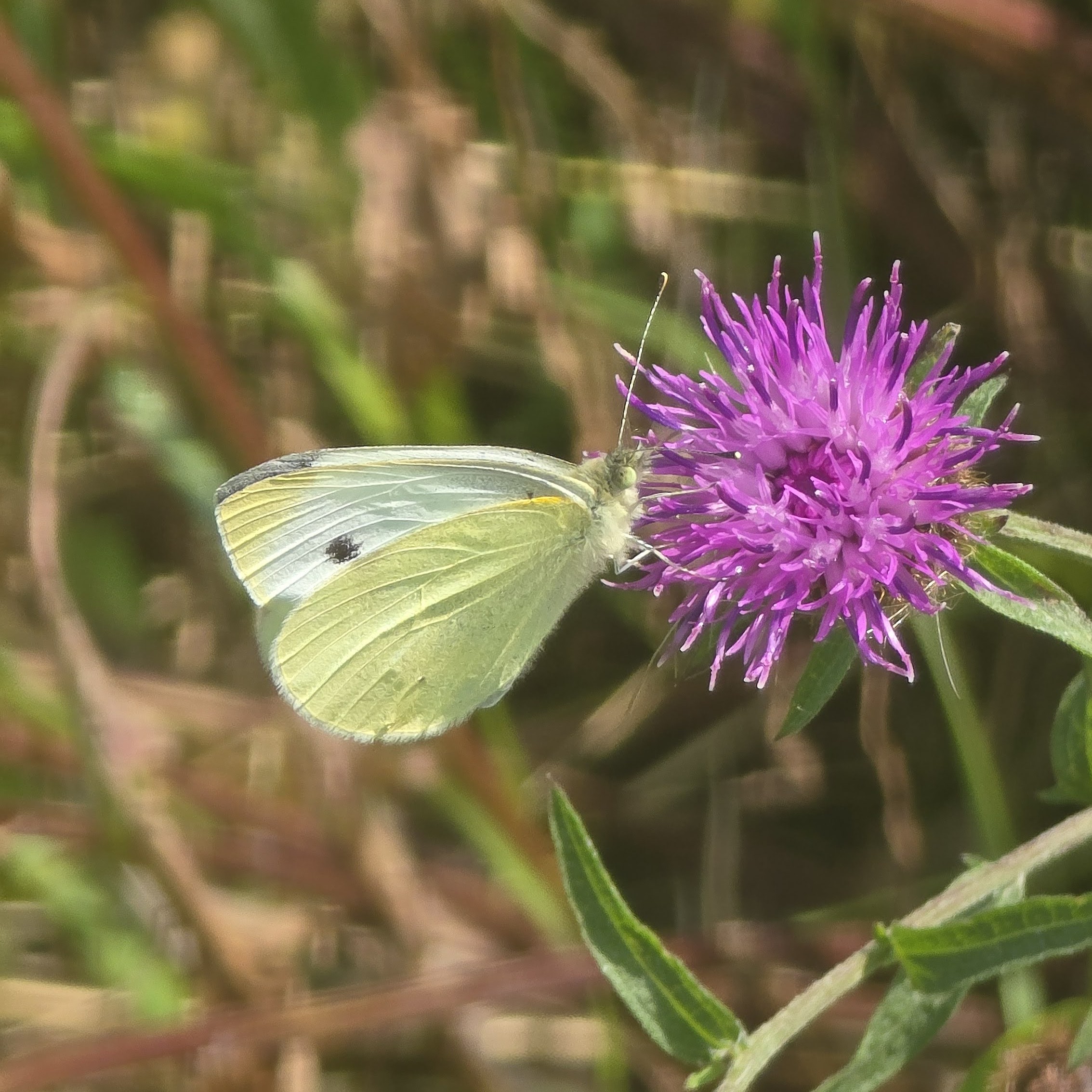
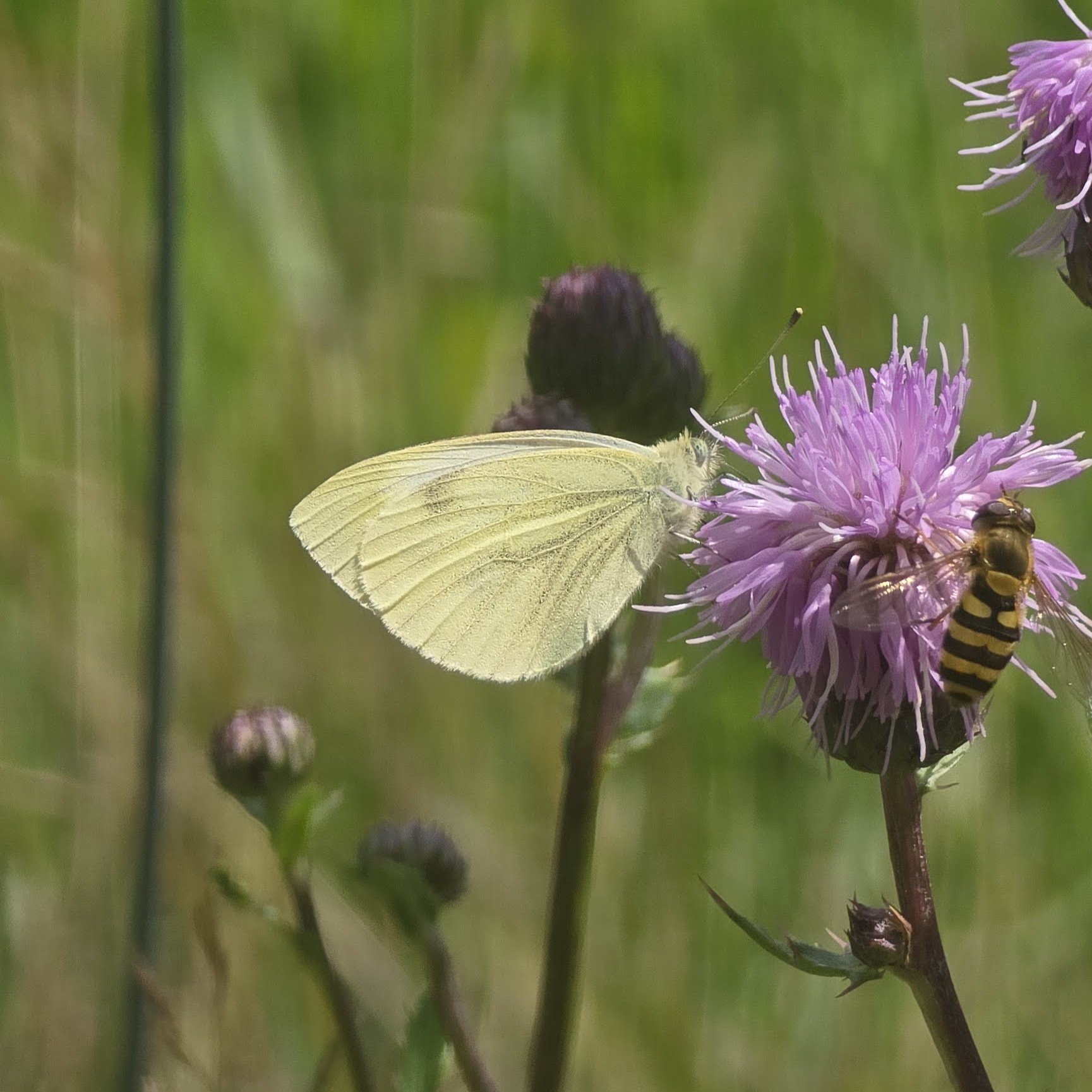
  2. It has also been the best year for white butterflies (Large White, Small White, Green-veined White, and Orange-tip,) something which has been reflected in the Big Butterfly Count 2025’s data. All four of these species feed on plants in the Brassicaceae family which contains a variety of crop and wildflower species such as Cabbage, Broccoli, Radish, cresses, Garlic Mustard, Cuckoo Flower, and many more. Their success this year could be related to favourable conditions for their foodplants. This could be seen at the Coppice as there was an abundance of Cuckoo Flower and Wild Radish.
  3. Small Skipper, Ringlet, Meadow Brown, and Small Heath have all shown an increase after a 3-year decline.
  4. Lastly, Small Tortoiseshell have made a great recovery after a complete absence from the transects and having its worst Big Butterfly Count ever last year. Miraculously, they’ve had their best year on record at the Coppice. Decline in the species has been linked to a parasitic fly from mainland Europe arriving in the 90's.
The following invertebrate photos were all taken at Peel Park and the Coppice LNR in 2025, the majority during a butterfly transect. All credit to Robert W.S. Gabryszak. 

20 Butterfly Species

Here are the following butterfly species that were recorded in 2025.
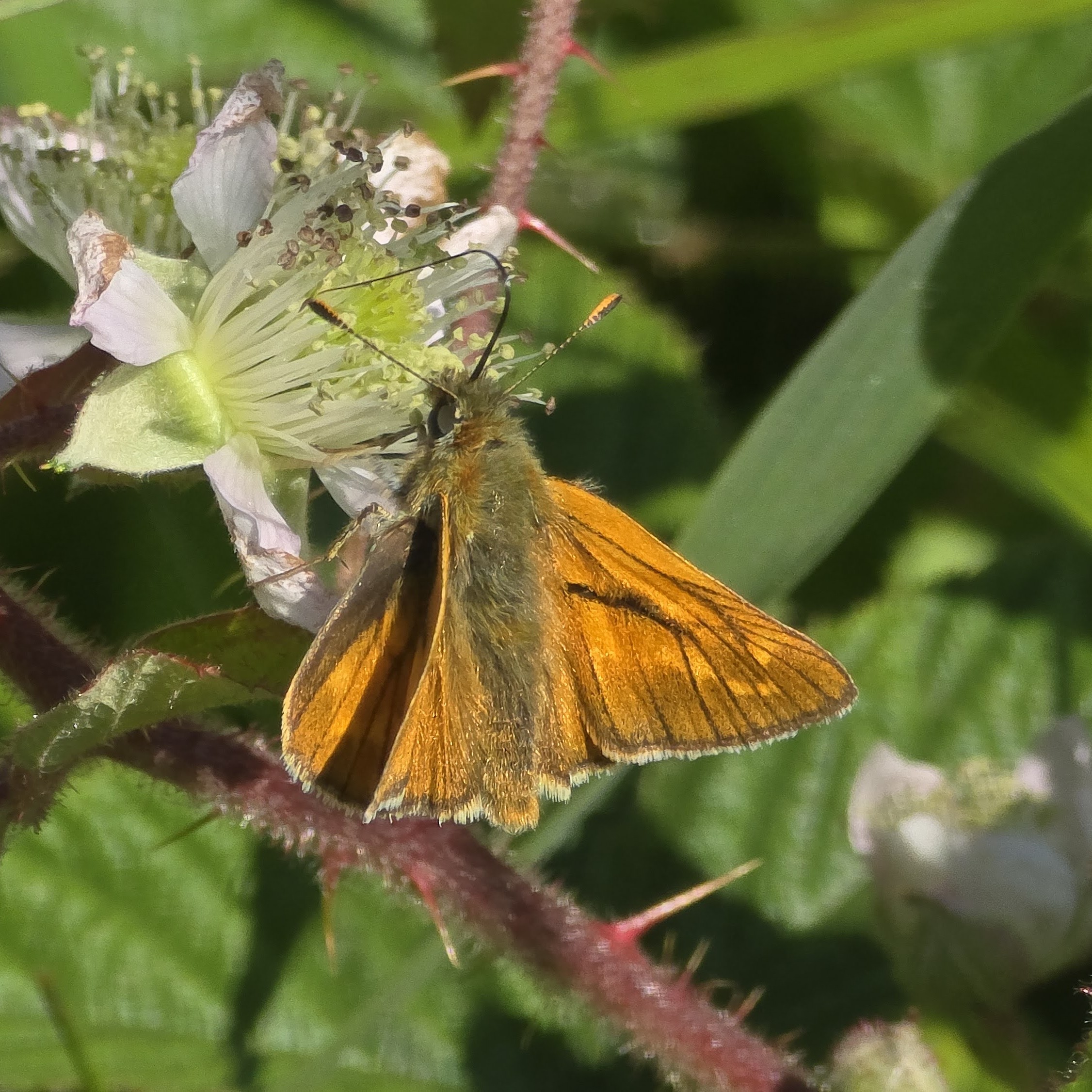
Small Skipper - July
Large Skipper - June
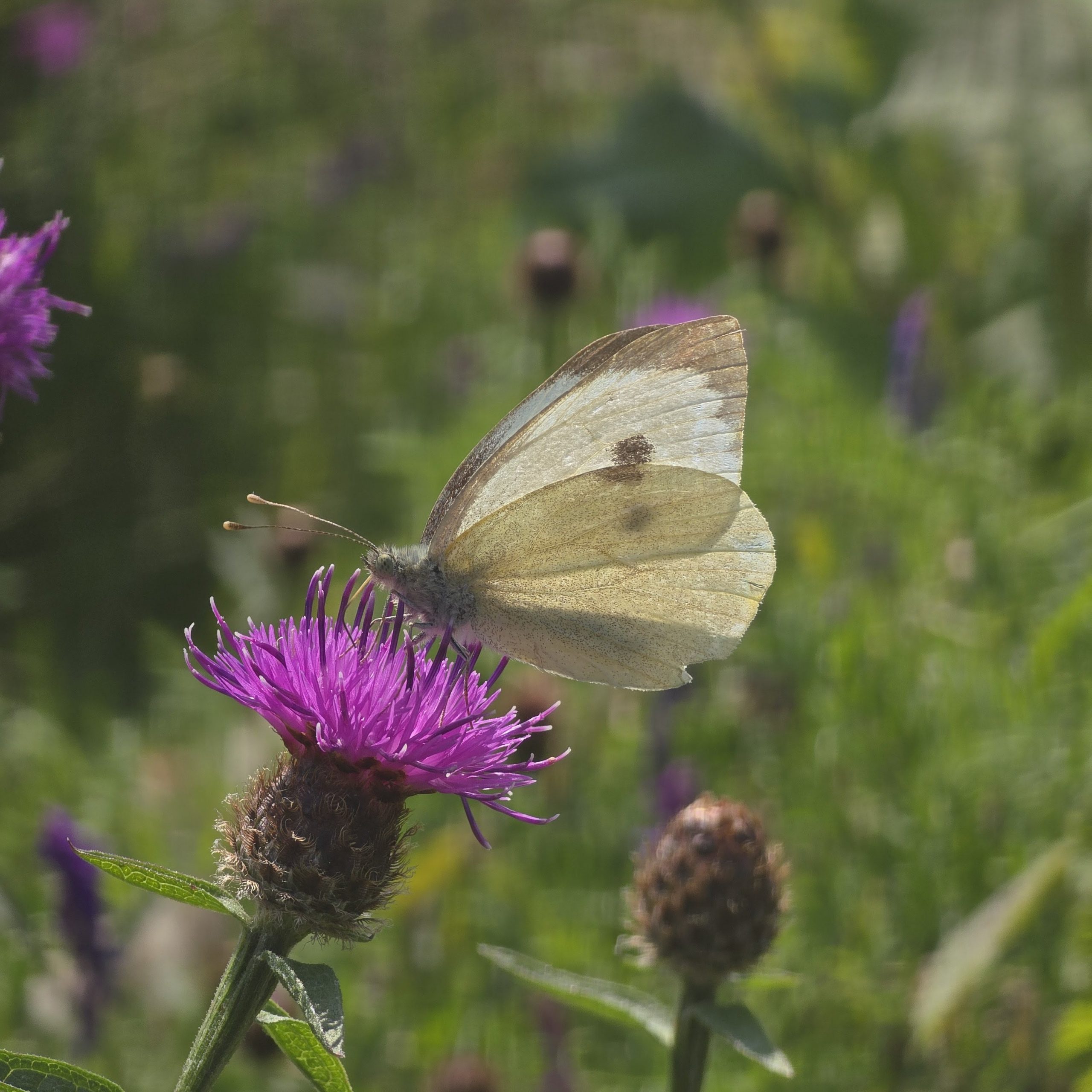
Large White - August
Small White - August
Green-veined White - July
Orange-tip (male) - April
Green Hairstreak - April
Small Copper - July
Common Blue (male) - August
Common Blue (female) - August
Holly Blue - August
Red Admiral - September
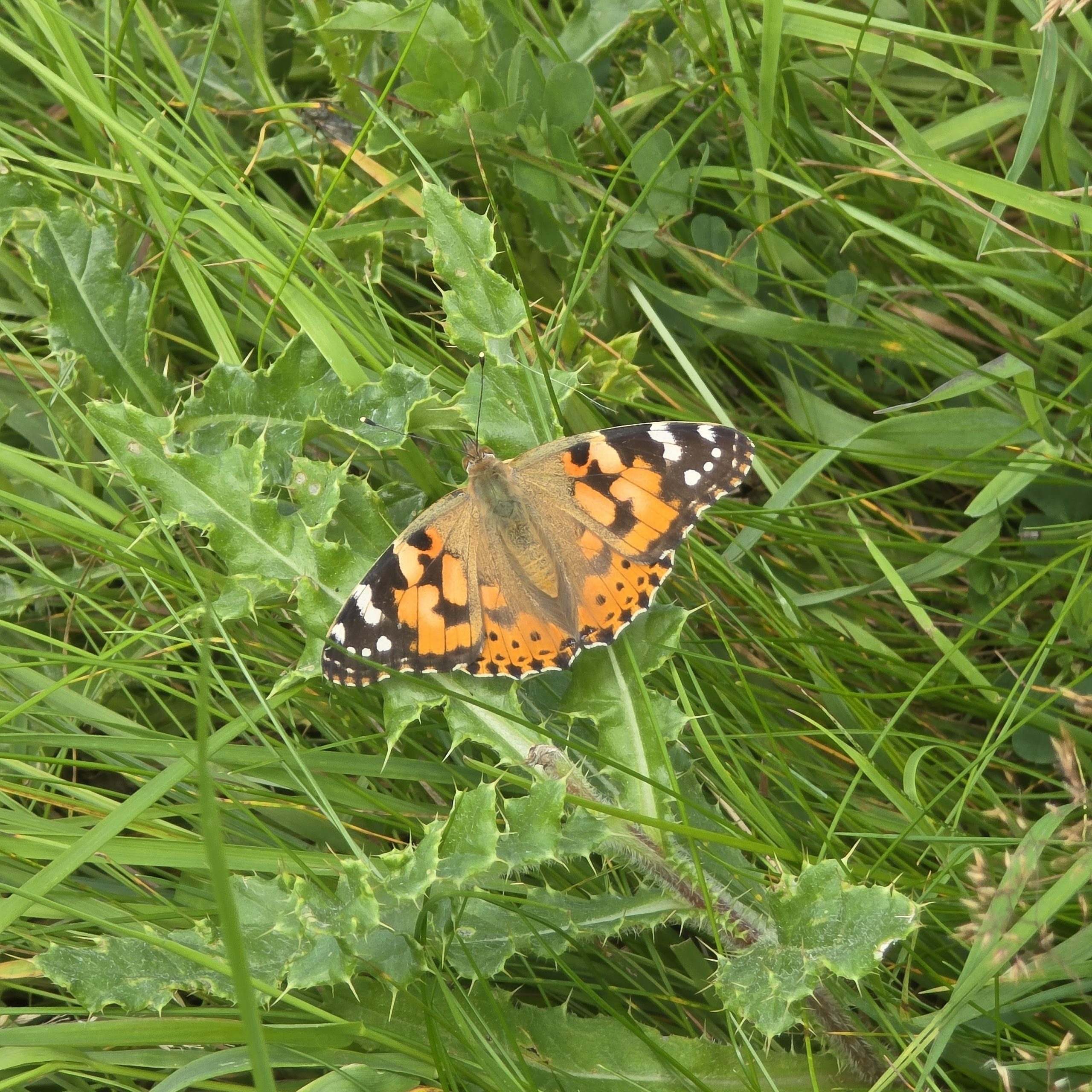
Painted Lady - August
Small Tortoiseshell - June
Peacock - July
Comma - September
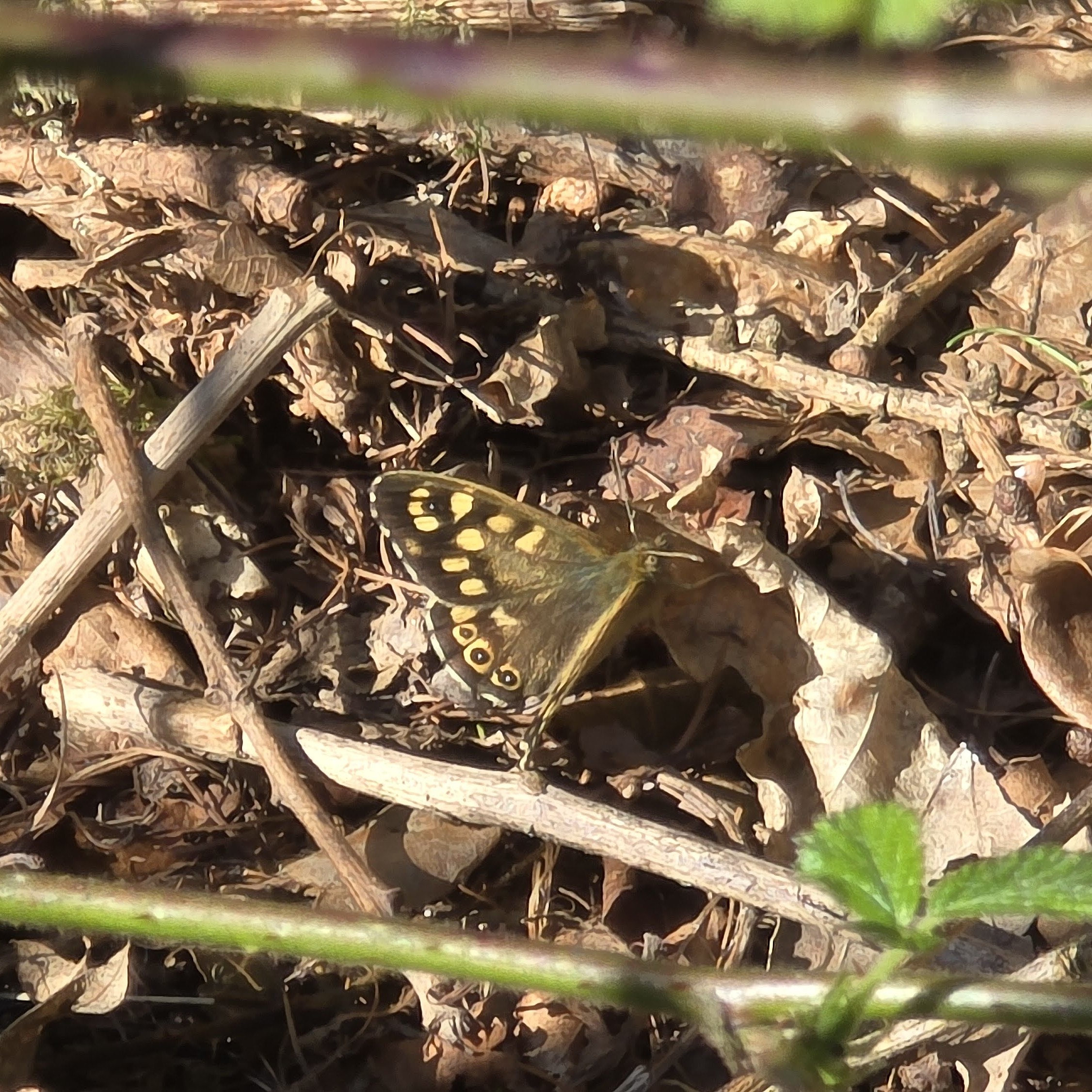
Speckled Wood - April
Gatekeeper - July
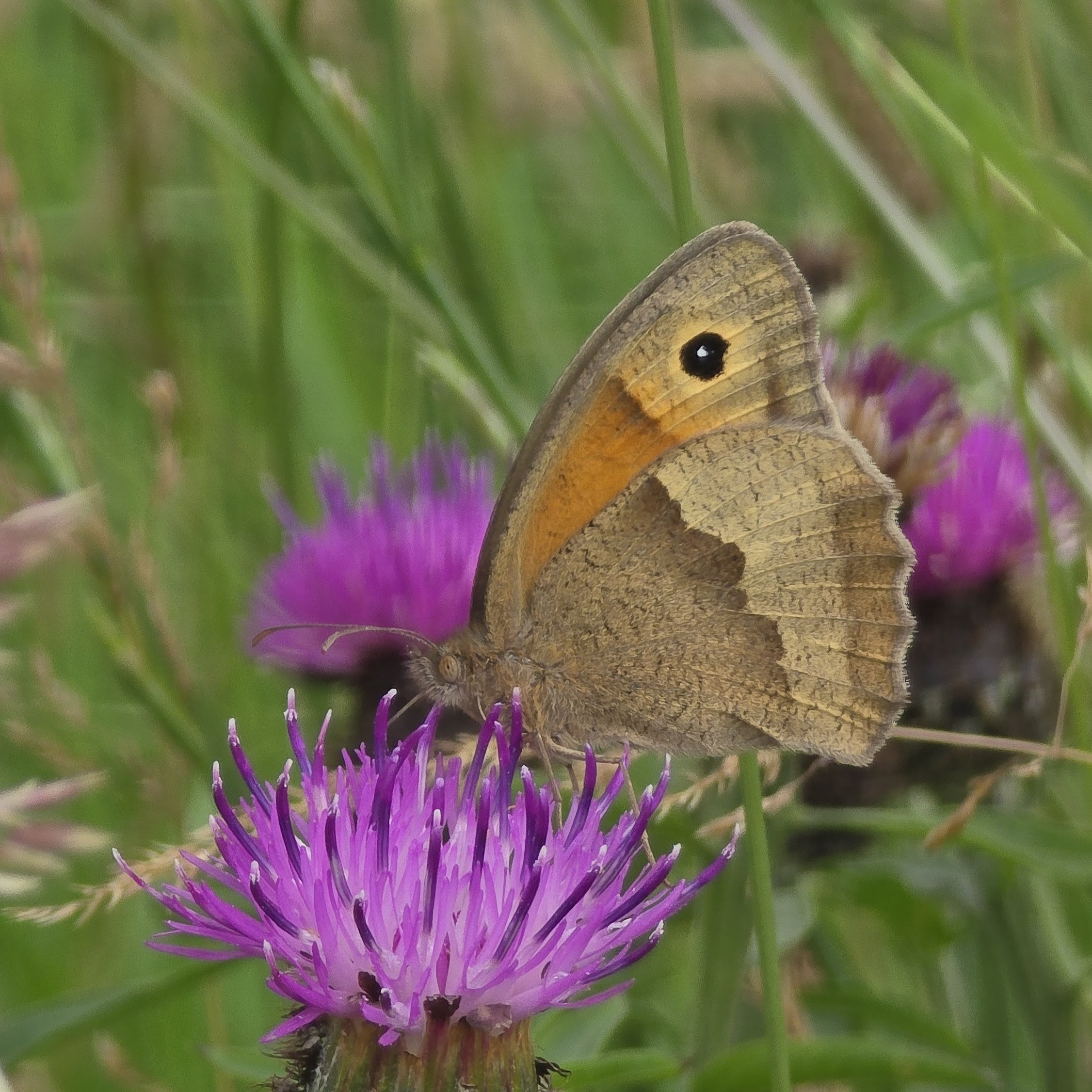
Meadow Brown - June
Ringlet - June
Small Heath - July

Additional species recorded during the transect:

The UKBMS transect also encourages surveyors to record day-flying moths and dragonflies. As part of the weekly transect at the Coppice, Robert also records bee and fly species, the results are still being processed for these and will be released later.
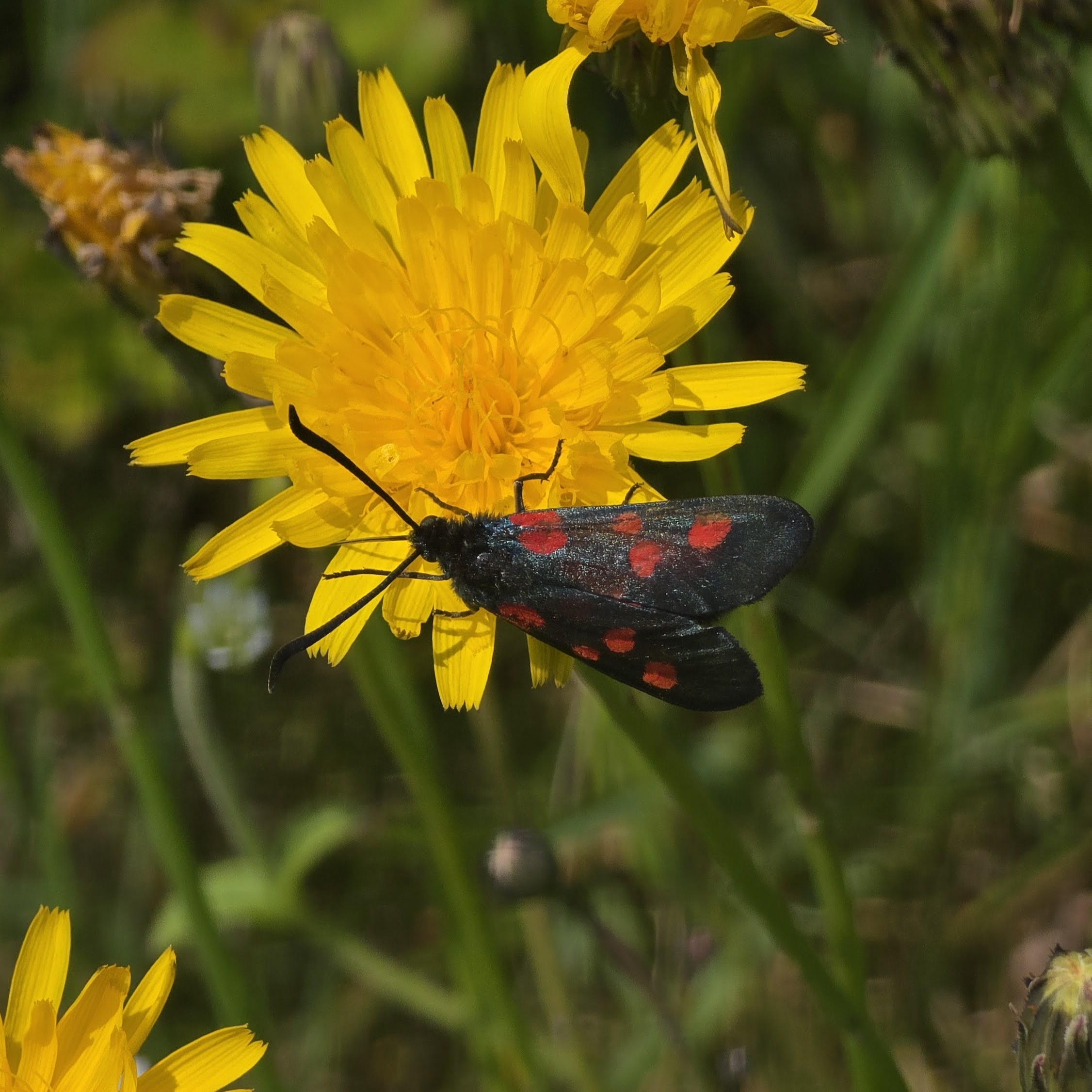
Narrow-bordered Five-spot Burnet Moth - June
Antler Moth - August
Nettle Tap Moth - June

What are we doing to improve numbers?

We will continue to protect, create, and restore habitat for pollinators and all wildlife across Hyndburn's green spaces in our Hyndburn's Nature Reserves project. PROSPECTS has been carrying out conservation work at Peel Park & the Coppice LNR for past 3 years during the HEAL, Peel Park Pollinators, and Hyndburn's Nature Reserves projects. See below for some of the work we have been doing to benefit butterflies:

Want to help? Please contact robert.gabryszak@prospectsfoundation.org.uk if you would like to involved with habitat restoration or survey work. Alternatively, call 01254 230348 or pop into our shop at 54 Broadway, Accrington, BB5 1EW.

If you would like more information on the survey data then please contact Robert.


Pleck Meadow Cut and Collect
Butterfly Bank Creation
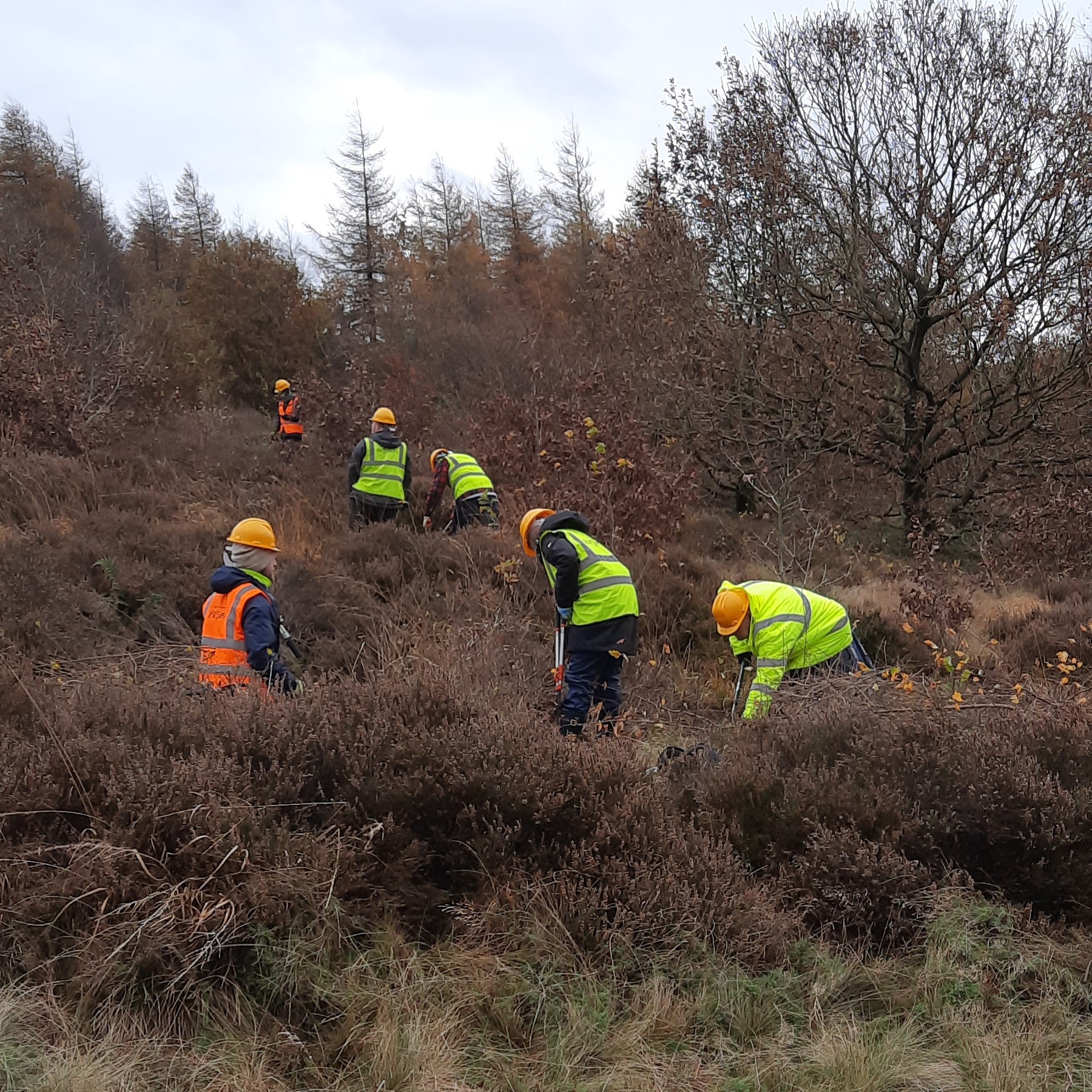
Tree Thinning to Improve Heathland
Wildflower Planting and Seed Sowing
Hedgerow Creation
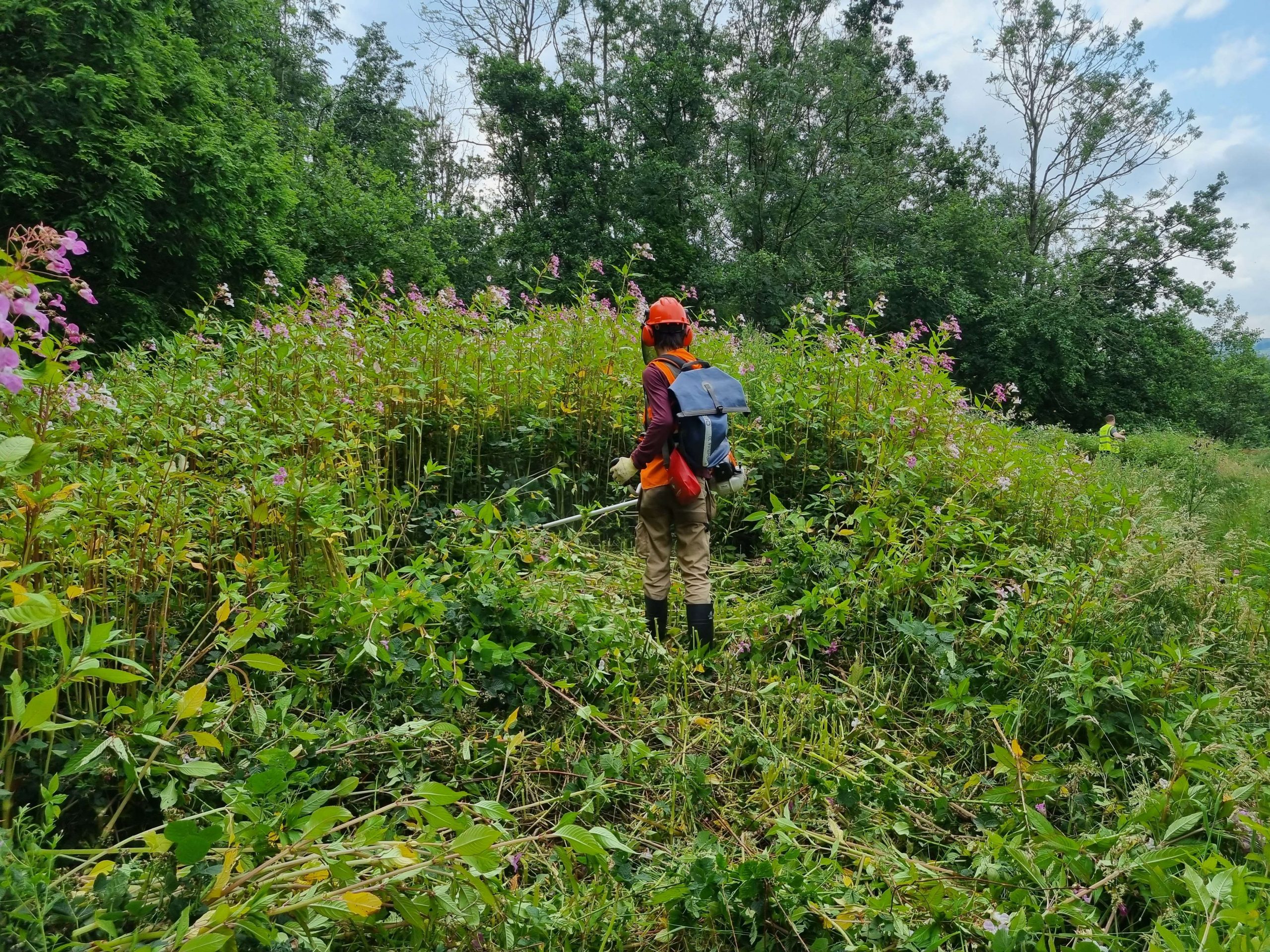
INNS Removal
Meadow Creation
Injurious Weed Removal
Educational Events & Surveys
and lots more!
This project would not have been possible without our funders:

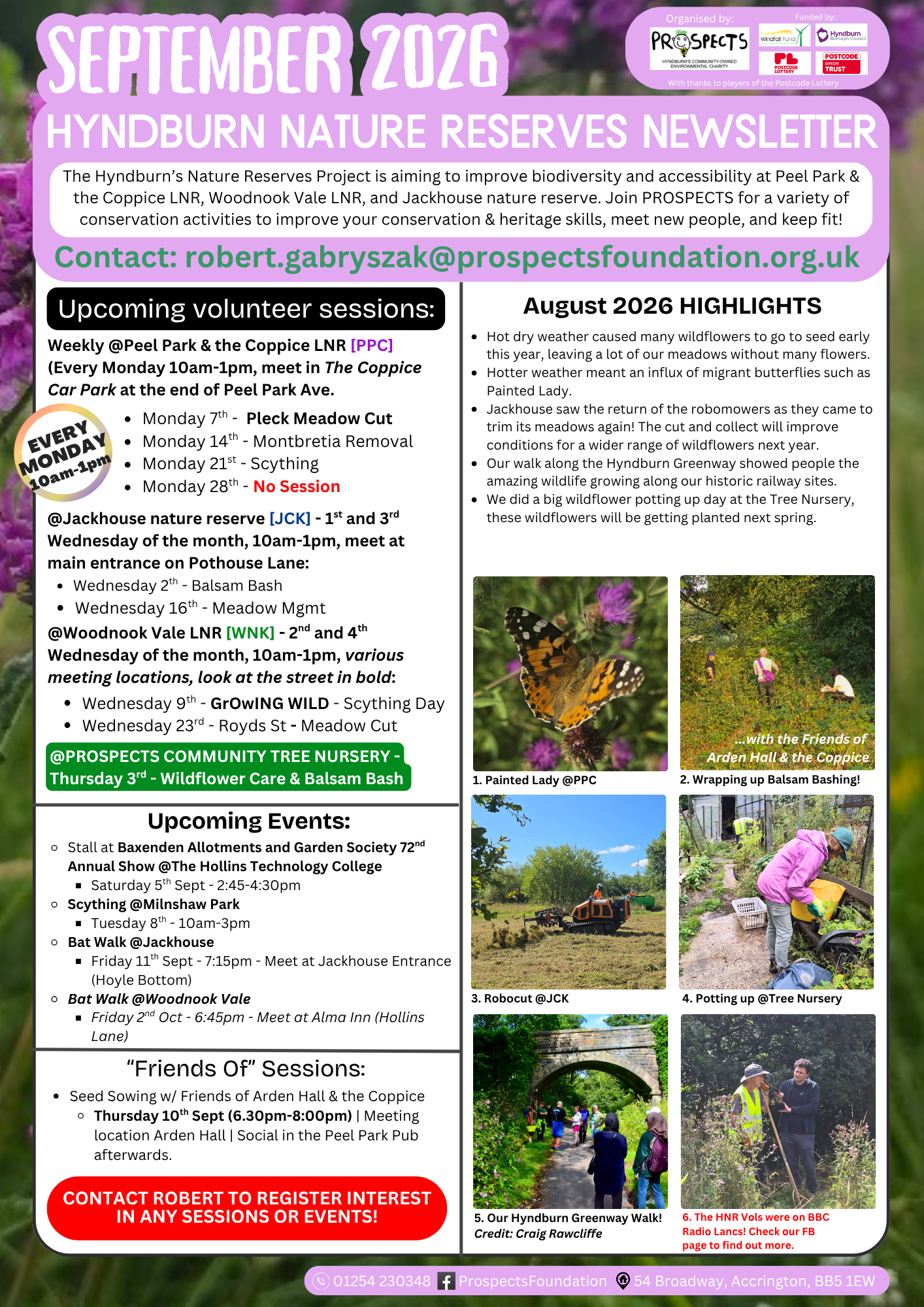
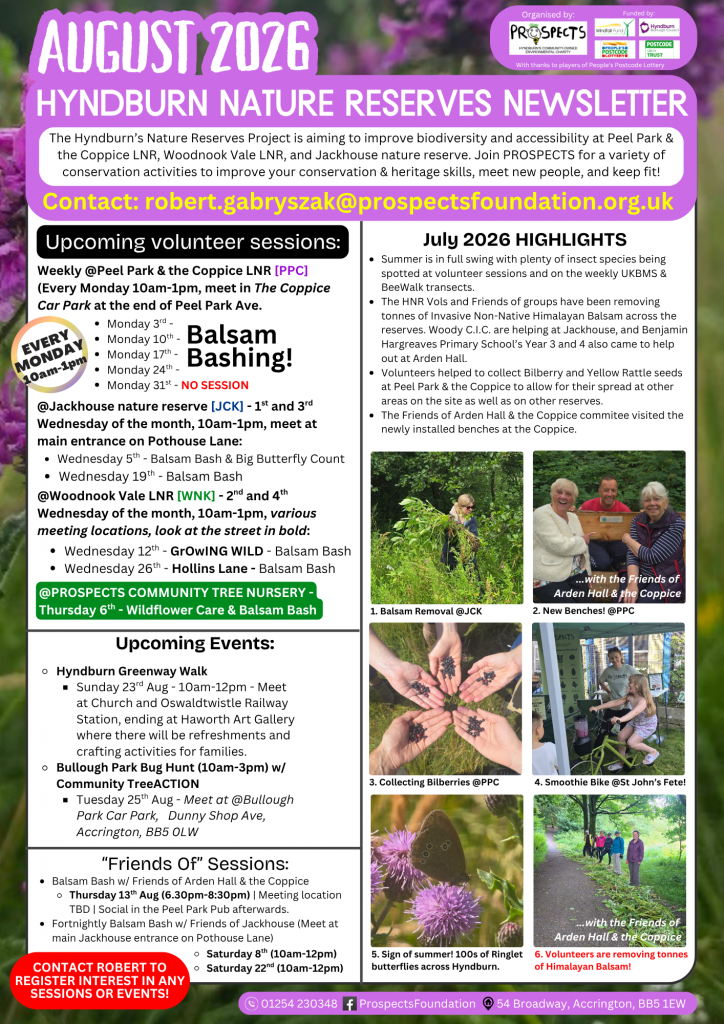
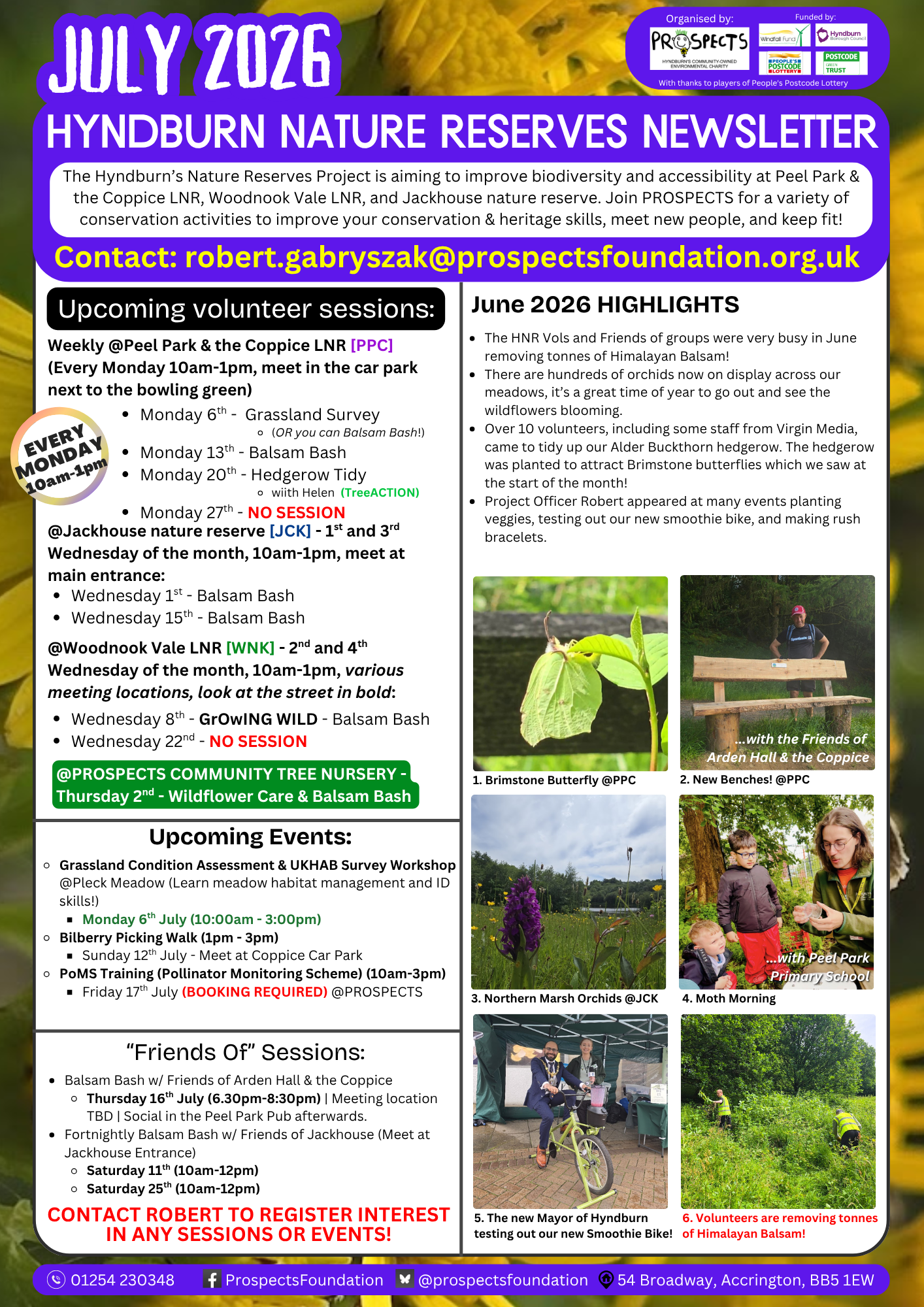
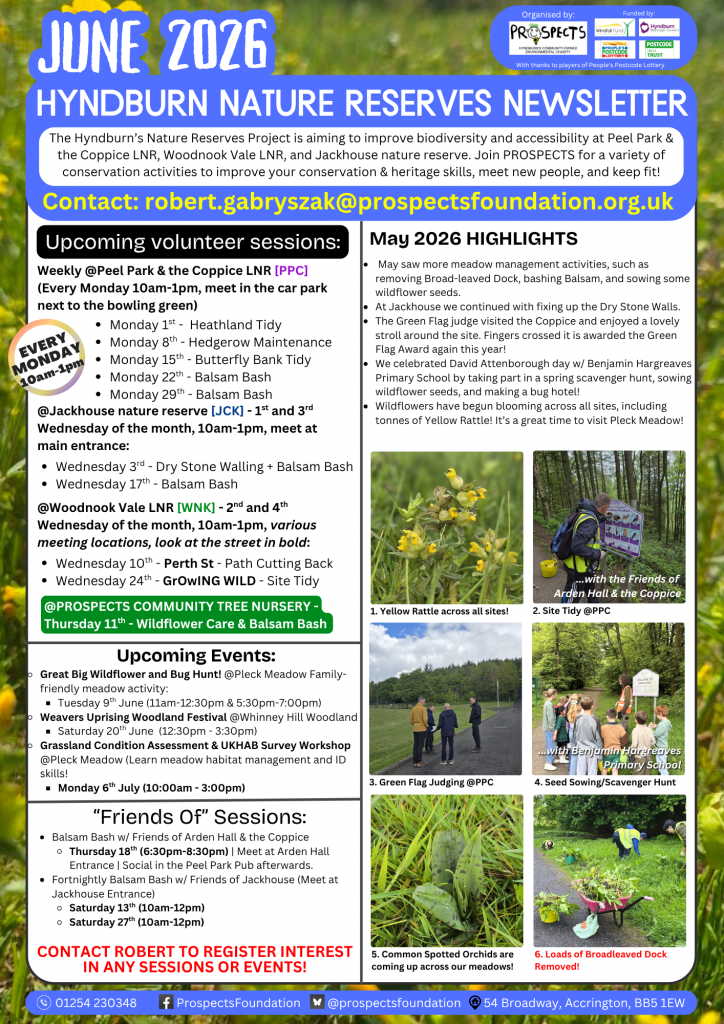
Meadows across Hyndburn get important restorative cuts!

Important Meadow Restoration across Hyndburn

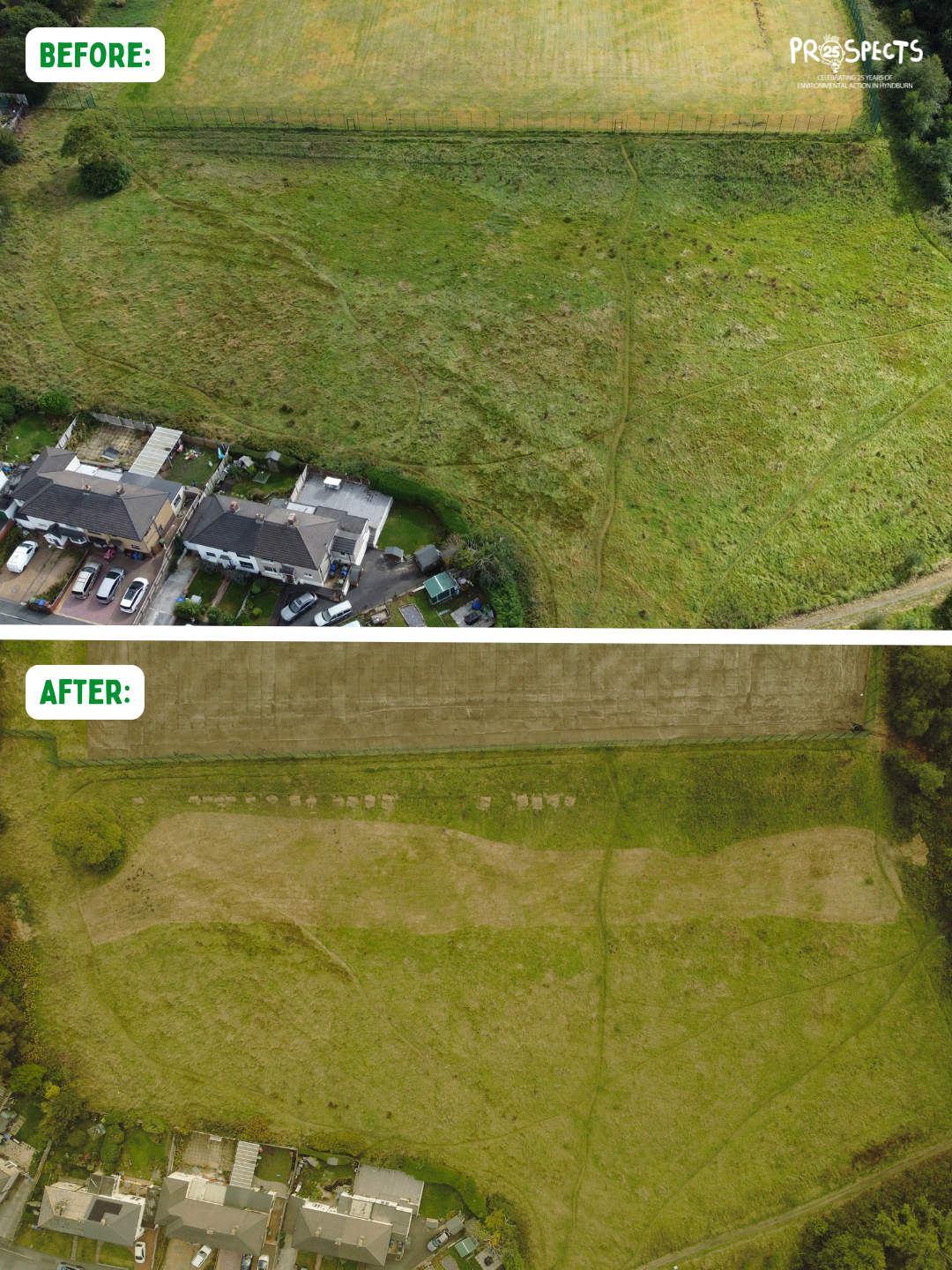
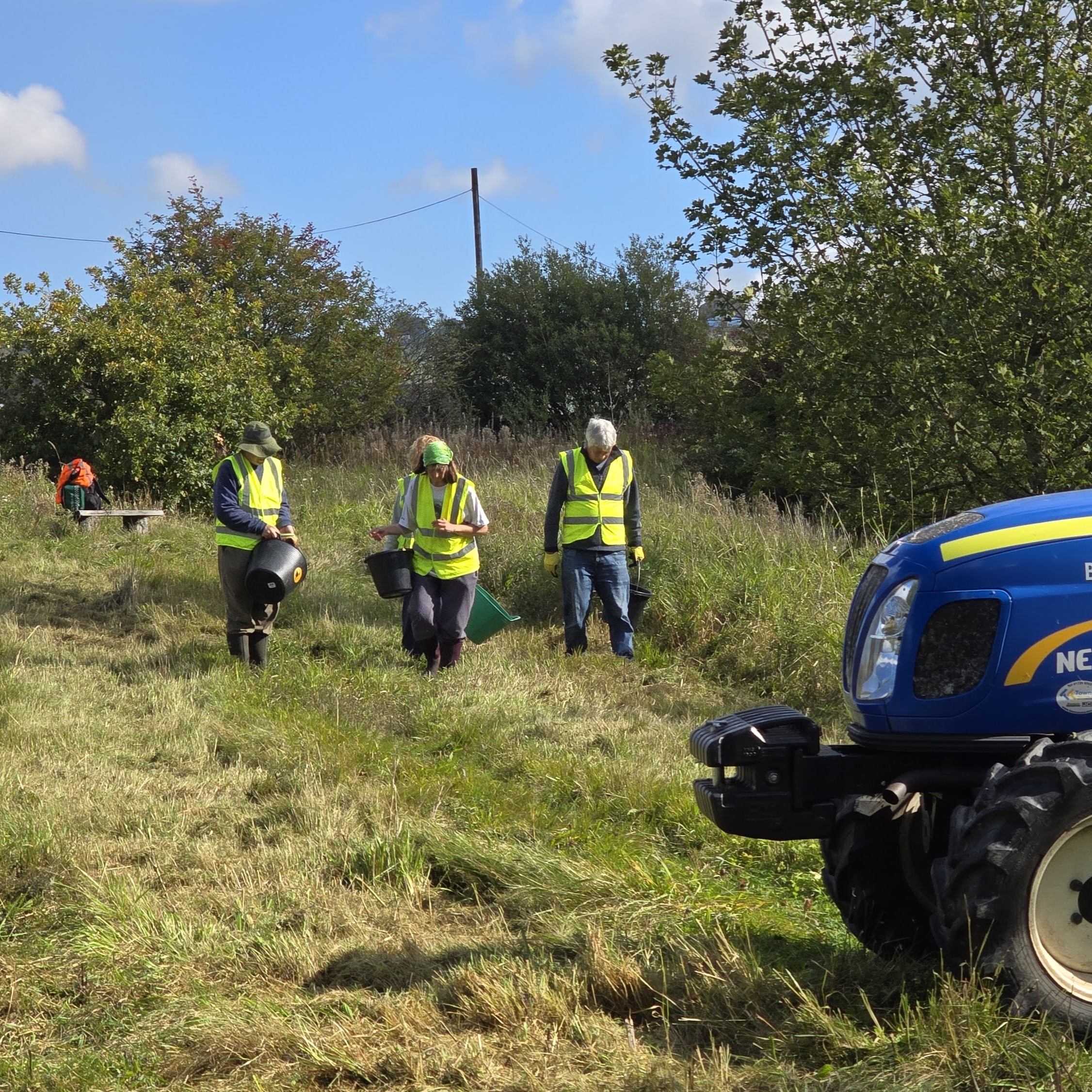
Throughout Autumn 2025, meadows across Hyndburn have been receiving important restorative cut and collects. Over 1.5ha of meadow has been cut at Peel Park & the Coppice LNR, Woodnook Vale LNR, and Jackhouse nature reserve. All sites were visited by a compact tractor and Jackhouse had some robo-mowers to get to some hard to reach places!

This is in addition to other meadow restoration in the borough such as at Spouthouse and Cutwood Park!

Hyndburn is set to be buzzing with bees and blooming with wildflowers in 2026!

The cuts have been funded by the Windfall Fund, with help from the Friends of Jackhouse and Friends of Arden Hall & the Coppice.

Before and Afters

Pleck Meadow
King George's
Jackhouse

Photos from the Cut and Collects

Tractor at King George's
Tractor at South Entrance to Pleck Meadow
Tractor at Pleck Meadow
Volunteers working on managing meadows and glades
Robo-mower and raker at Jackhouse
Volunteers and tractor at Jackhouse
Saving amphibians!

Why are cut & collects so important?

Annual cut & collects are an important part of wildflower meadow management as it reduces nutrients in the soil which overtime will ensure that vigourous grasses and injurious weeds do not become dominant. A wider variety of smaller and slow-growing plants can thrive as a result, increasing biodiversity in the meadow as more kinds of plants means more insects which will feed small birds and mammals, which then support larger carnivores like birds of prey.

In a natural ecosystem, plants are removed by herbivores which can spread the nutrients across a landscape as they migrate, creating a range of different habitats including areas of nutrient poor soil that can support wildflowers. In the UK, a majority of our native large herbivores are gone and the ones remaining have fragmented habitats which disrupts their migration. This means that the natural spread of nutrients can not occur, resulting in an accumulation of plant growth in an area that builds up over time, creating an area of high nutrient soil which allows plants like Creeping Thistle, Creeping Buttercup, docks, and Stinging Nettle to dominate.

Habitats like this can still be important for wildlife (E.g., Stinging Nettles act as the food plant for Comma, Peacock, Red Admiral and Small Tortoiseshell butterflies,)  but since 98% of wildflower meadows in the UK have disappeared in the last century, it's vital we transform areas of high nutrient density into spaces where a vast array of native wildflowers & pollinators can thrive.

So with a severe lack of grazing animals on hand, we settled with a tractor as the next best thing! The compact tractor we got was able to cut and remove a large area of the meadow over the course of two days. We have left areas of longer vegetation around the meadow to give small mammals and invertebrates areas to shelter over winter as well as provide cover for birds and deer.

For more information and to see what sort of species have been found in Pleck Meadow, check out our FAQ.

If you would like to get involved in meadow management on Peel Park & the Coppice LNR, then please email robert.gabryszak@prospectsfoundation.org.uk or call 01254 230348.

A huge thank you to Hyndburn Borough Council and Windfall Fund for making this project possible.

24 Hour Bioblitz at Peel Park!

At the end of April, PROSPECTS participated in the worldwide City Nature Challenge weekend by running a 24-Hour Bioblitz at Peel Park and the Coppice! Run over 2 days, the event aimed to record as many species on iNaturalist as possible, with a series of walks and sessions open to the public throughout the event. The species recorded on iNaturalist will assist their citizen science project to map the spread of different species across the world, and how this changes over time in response to climate change. Sessions included a bat walk, moth trap, early morning bird walk, woodland ID walk, pollinator and wildflower walk, and pond ID sessions. In total, we recorded over 153 species! Some of the most impressive species were Daubenton’s bat and the Emperor moth.

During the freshwater session, we also surveyed Pleck Brook as part of the national WaterBlitz, which was happening on the same weekend! Both nitrogen and phosphate levels were very low, which means that the stream is an excellent quality habitat!

Thanks to everyone who took part in the recording!

Friends Of Arden Hall & the Coppice – March 2025 Meeting

As part of the new Hyndburn’s Nature Reserves project, PROSPECTS is looking to kickstart the return of the Friends of Arden Hall & the Coppice community group with the support of local project officer, Robert. The group has been responsible for a number of improvements at the site since its conception and will do so for many more years providing the continued support of the local community.

We are hoping to have an in-person meeting in March 2025 to discuss the future of the group and get activities up and running again.

If you have any interest in Peel Park & the Coppice LNR, please don’t hesitate to come along. Please contact robert.gabryszak@prospectsfoundation.org.uk, 01254 230348 or call in at 54 Broadway, Accrington, BB5 1EW to express your interest.

Furthermore please contact Robert if you have queries or want an update on the Friends Of group.

Pleck Meadow Grassland Condition Assessment 2024

Pleck Meadow has its third annual assessment.

Pleck Meadow received its third annual Grassland Condition Assessment on the 8th July, 2024.

The results show that the "cut and collect" management is working as the grass sward and presence of negative indicator species has decreased significantly. Seed sowing and plug planting have also increased the number of species present on the meadow.

Read the full report here! 

If you have any questions about the management ongoing at Pleck Meadow, you can read more and look at some of the species we have recorded here! Furthermore, you can contact Project Officer, Robert Gabryszak, at robert.gabryszak@prospectsfoundation.org.uk.

Scroll to top