News

Tuesday 11th November 2025 – Habitat Pile Making

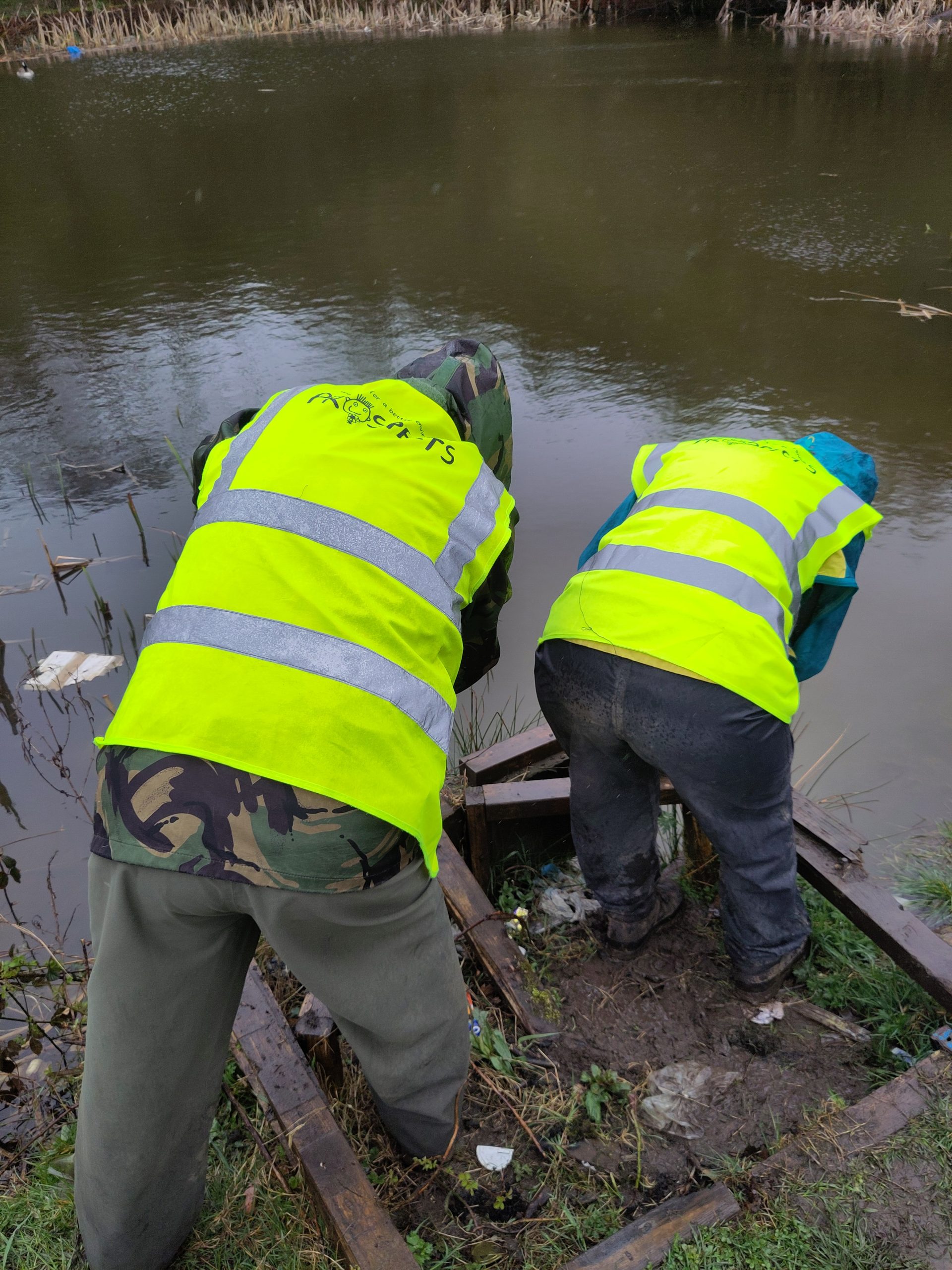
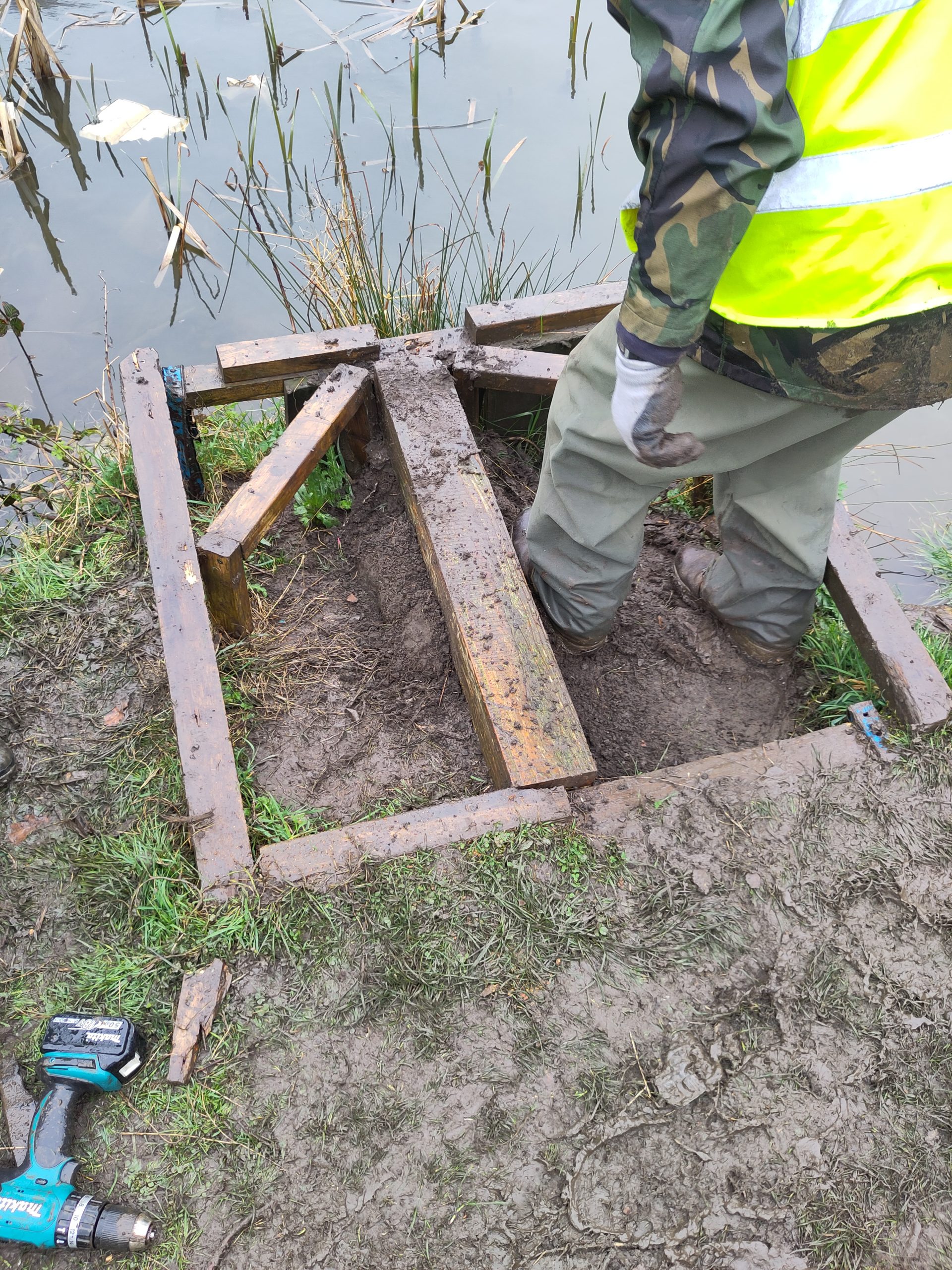
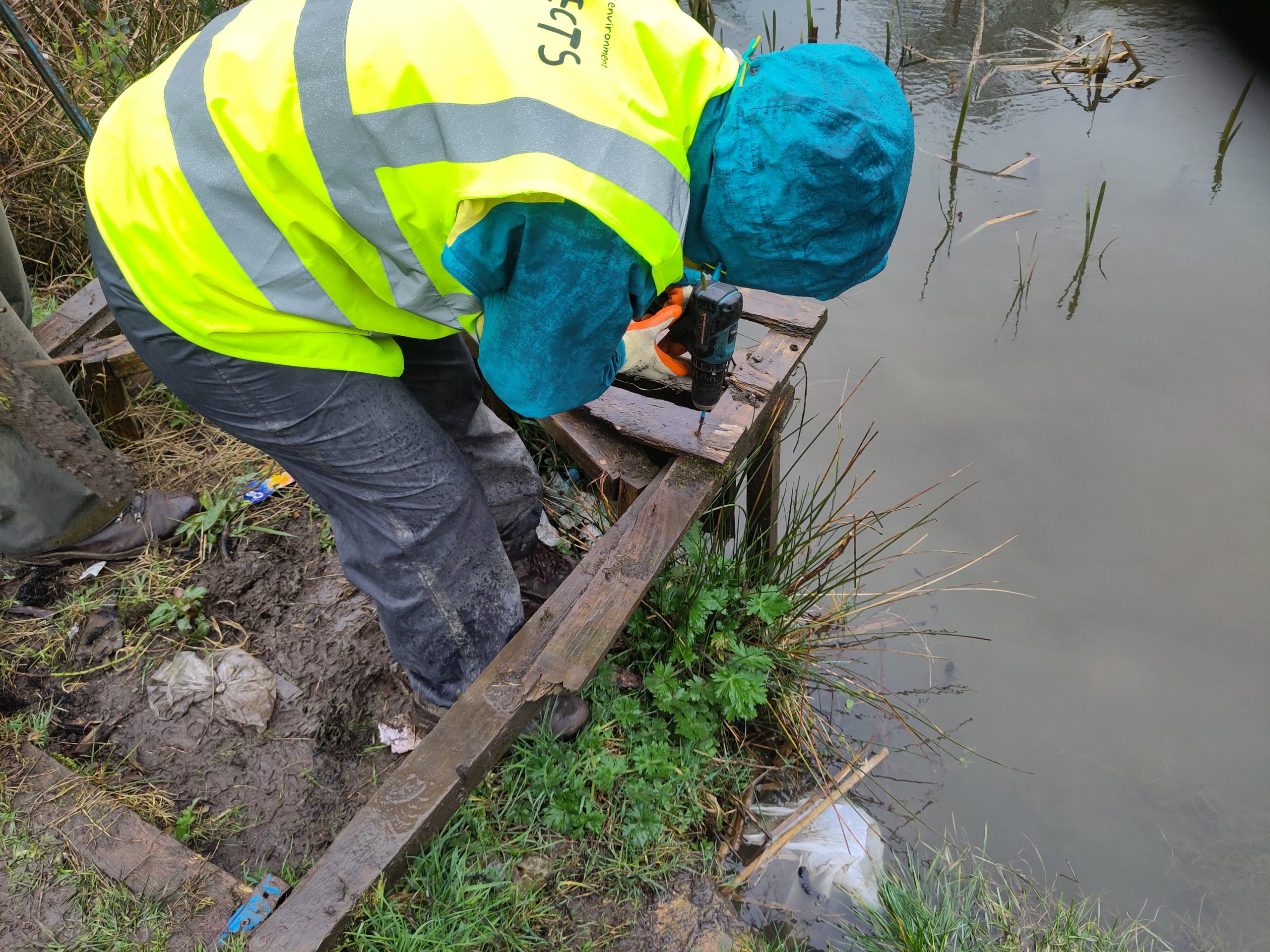
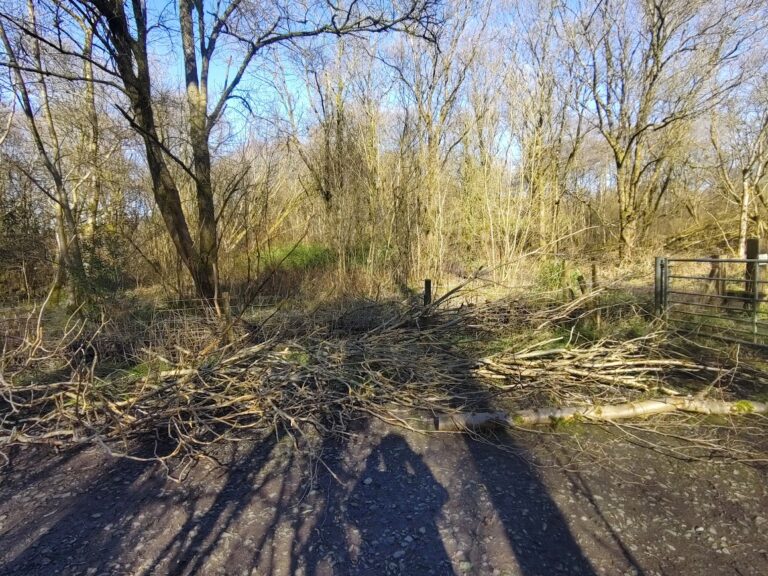
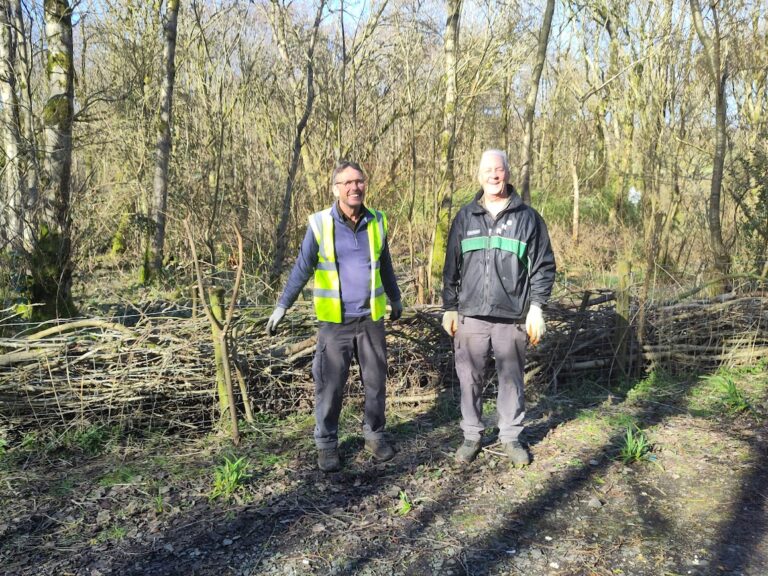
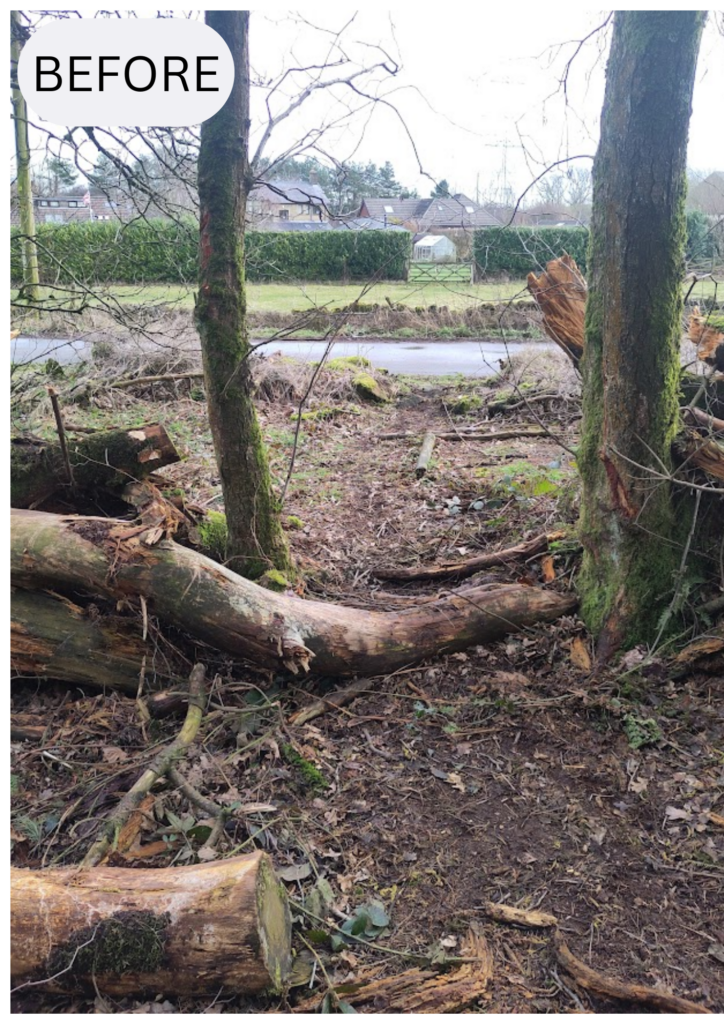
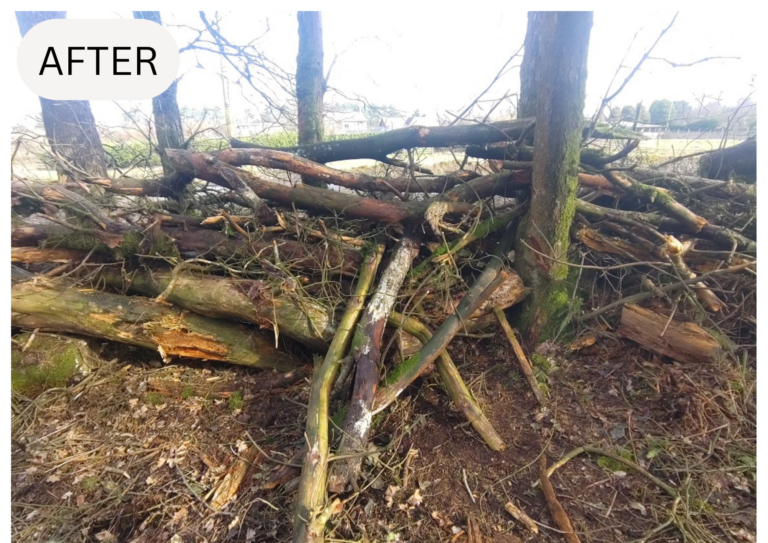
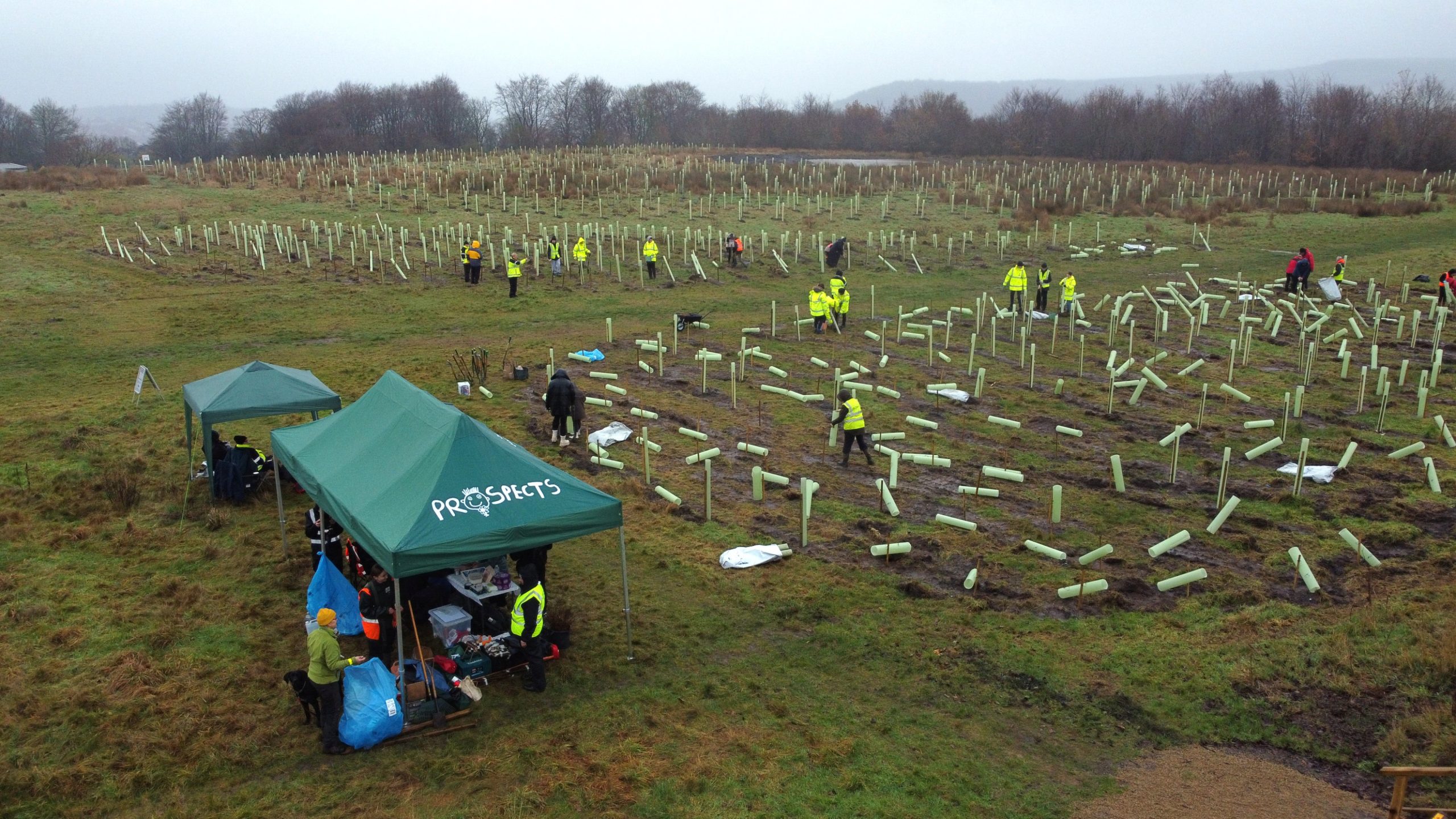
On Tuesday 11th November 2025 the Hyndburn’s Woodlands Project was back at Woodnook Vale LNR creating habitat piles for wildlife! Due to the recent felling works that have been carried out on the site (predominantly Ash suffering from Dieback) there is currently a large amount of brash present on the vale. We decided to put this to good use and create habitat for overwintering wildlife, this will provide shelter and foraging sites for a good range of animals and will help to keep the site looking tidy!

Thank you to all our wonderful volunteers who braved a very cold and very wet day to help us improve biodiversity along the Vale!

As always, thank you to our funders at Lancashire County Council, Hyndburn Borough Council, and the Windfall Fund for making it all possible


UKBMS Survey Results 2025 @Peel Park & the Coppice LNR

The results are in!

Map showing the butterfly transect around Peel Park & the Coppice.

Throughout 2025, Project Officer, Robert Gabryszak, has continued with weekly UKBMS surveys at Peel Park & the Coppice LNR. The walk, or transect, starts at Pleck Meadow and continues through multiple habitats at the site, finishing on the heathland. 2024 was a devastating year for pollinator populations, sparking a Butterfly Emergency Declaration from Butterfly Conservation, with several other invertebrate charities supporting the urgency for immediate change to prevent further decline.
2025 has offered a much more optimistic outlook, as sunnier weather has resulted in a significant uptick. However, the main threats to invertebrate populations are still at play; habitat loss, pesticide use, and climate change are continuing to impact UK butterflies negatively. Additionally, the numbers are still lower than previous years, showing that some species have yet to recover.

Pleck Meadow (S1)
Woodland Edge (S4)
Heathland Habitat (S8)

Results Overview:

Breakdown by Species:

The good news:

 There were some great positives revealed from the transects:
  1. Green Hairstreak and Common Blue have been absent in previous years but have made their presence well known this year. The foodplant of Common Blue, Bird’s-foot-trefoil, has seen a massive increase in abundance at Pleck Meadow thanks to the management there, which may be the reason for the observation of male and female individuals.
  2. It has also been the best year for white butterflies (Large White, Small White, Green-veined White, and Orange-tip,) something which has been reflected in the Big Butterfly Count 2025’s data. All four of these species feed on plants in the Brassicaceae family which contains a variety of crop and wildflower species such as Cabbage, Broccoli, Radish, cresses, Garlic Mustard, Cuckoo Flower, and many more. Their success this year could be related to favourable conditions for their foodplants. This could be seen at the Coppice as there was an abundance of Cuckoo Flower and Wild Radish.
  3. Small Skipper, Ringlet, Meadow Brown, and Small Heath have all shown an increase after a 3-year decline.
  4. Lastly, Small Tortoiseshell have made a great recovery after a complete absence from the transects and having its worst Big Butterfly Count ever last year. Miraculously, they’ve had their best year on record at the Coppice. Decline in the species has been linked to a parasitic fly from mainland Europe arriving in the 90's.
The following invertebrate photos were all taken at Peel Park and the Coppice LNR in 2025, the majority during a butterfly transect. All credit to Robert W.S. Gabryszak. 

20 Butterfly Species

Here are the following butterfly species that were recorded in 2025.
Small Skipper - July
Large Skipper - June
Large White - August
Small White - August
Green-veined White - July
Orange-tip (male) - April
Green Hairstreak - April
Small Copper - July
Common Blue (male) - August
Common Blue (female) - August
Holly Blue - August
Red Admiral - September
Painted Lady - August
Small Tortoiseshell - June
Peacock - July
Comma - September
Speckled Wood - April
Gatekeeper - July
Meadow Brown - June
Ringlet - June
Small Heath - July

Additional species recorded during the transect:

The UKBMS transect also encourages surveyors to record day-flying moths and dragonflies. As part of the weekly transect at the Coppice, Robert also records bee and fly species, the results are still being processed for these and will be released later.
Narrow-bordered Five-spot Burnet Moth - June
Antler Moth - August
Nettle Tap Moth - June

What are we doing to improve numbers?

We will continue to protect, create, and restore habitat for pollinators and all wildlife across Hyndburn's green spaces in our Hyndburn's Nature Reserves project. PROSPECTS has been carrying out conservation work at Peel Park & the Coppice LNR for past 3 years during the HEAL, Peel Park Pollinators, and Hyndburn's Nature Reserves projects. See below for some of the work we have been doing to benefit butterflies:

Want to help? Please contact robert.gabryszak@prospectsfoundation.org.uk if you would like to involved with habitat restoration or survey work. Alternatively, call 01254 230348 or pop into our shop at 54 Broadway, Accrington, BB5 1EW.

If you would like more information on the survey data then please contact Robert.


Pleck Meadow Cut and Collect
Butterfly Bank Creation
Tree Thinning to Improve Heathland
Wildflower Planting and Seed Sowing
Hedgerow Creation
INNS Removal
Meadow Creation
Injurious Weed Removal
Educational Events & Surveys
and lots more!
This project would not have been possible without our funders:

Friday 7th November 2025 – UV Fungi Walk

On Friday 7th November 2025 the Hyndburn’s Woodlands Project hosted our first ever ‘UV Fungi Walk’ at Whinney Hill woodland. The session was a trial to see how well it would go. It did go quite well, with participants enjoying the autumnal afternoon walk. Unfortunately, we managed to find more litter than fungi during the walk, due to plastic fluorescing under UV light! We did manage to find one very fluorescent fungi (and a few that changed colour, but only slightly)

Overall, the session was a success and was received well (next year we will host the session a little earlier in the year when more fungi are around).

Thank you to everyone who came along to our prototype walk, your attendance was very much appreciated!

As always, thank you to our funders at Lancashire County Council, Hyndburn Borough Council, and the Windfall Fund for making it all possible


Brookside Volunteers and the SVCA Team Up To Build Storage

This Wednesday, the Stanhill Village Community Association and the Brookside volunteers teamed up to install a secure bike container on site. This will support the work of the volunteers and provide a dry storage space for on-site events! Thank you to all who helped out.

A big thank you to our funders for making this possible!

This work is possible due to funding from the Windfall Fund, the National Lottery Climate Action Fund,  and Hyndburn Borough Council.

Tuesday 21st October 2025 – Abbott Clough woodland

On Tuesday 21st October 2025 the Hyndburn’s Woodland’s Volunteers were at Abbott Clough woodland for a very wet session carrying out some maintenance work.

We started off steady by cutting back the hedgerow that borders the site, then we tidied up the entrance to make it more visible to passer-by’s, finally we carried out a litter pick around the hedgerow and inside the woodland.

We tallied off 10 bags of rubbish! We still have a bit more work to do here, which we will hopefully finish next session

Thank you to our wonderful volunteers who braved the weather to help us keep Hyndburn’s Woodlands clean!

As always, thank you to our funders at Lancashire County Council, Hyndburn Borough Council, and the Windfall Fund for making it all possible


Brookside Bat Walk Raises £73 for Restoration Project

Last Friday a fantastic 50 people came to our Bat Walk at Brookside, and we raised a whopping £73 for the project! Thank you all who attended, and to Roger 'Batman' Cunliffe for his expertise on the night.

A big thank you to our funders for making this possible!

This work is possible due to funding from the Windfall Fund, the National Lottery Climate Action Fund,  and Hyndburn Borough Council.

Saturday 18th October 2025 – Fungi Foray Walk

On Saturday18th October 2025 the Hyndburn’s Woodlands project hosted a ‘Fungi Foray Walk’ at Whinney Hill woodland! It was a lovely autumnal morning, with clean (and dry) crisp air!

Attendees took a gentle walk through the woodland, keeping their eyes peeled for fungi hidden in the overgrowth. Overall, we managed to find and record 18 species of fungi. We did actually find quite a bit more but unfortunately could not identify the rest with any confidence

Everyone had a lovely morning and learnt loads of information, thank you to everyone who attended the walk!

As always, thank you to our funders at Lancashire County Council, Hyndburn Borough Council, and the Windfall Fund for making it all possible!


Meadows across Hyndburn get important restorative cuts!

Important Meadow Restoration across Hyndburn

Throughout Autumn 2025, meadows across Hyndburn have been receiving important restorative cut and collects. Over 1.5ha of meadow has been cut at Peel Park & the Coppice LNR, Woodnook Vale LNR, and Jackhouse nature reserve. All sites were visited by a compact tractor and Jackhouse had some robo-mowers to get to some hard to reach places!

This is in addition to other meadow restoration in the borough such as at Spouthouse and Cutwood Park!

Hyndburn is set to be buzzing with bees and blooming with wildflowers in 2026!

The cuts have been funded by the Windfall Fund, with help from the Friends of Jackhouse and Friends of Arden Hall & the Coppice.

Before and Afters

Pleck Meadow
King George's
Jackhouse

Photos from the Cut and Collects

Tractor at King George's
Tractor at South Entrance to Pleck Meadow
Tractor at Pleck Meadow
Volunteers working on managing meadows and glades
Robo-mower and raker at Jackhouse
Volunteers and tractor at Jackhouse
Saving amphibians!

Why are cut & collects so important?

Annual cut & collects are an important part of wildflower meadow management as it reduces nutrients in the soil which overtime will ensure that vigourous grasses and injurious weeds do not become dominant. A wider variety of smaller and slow-growing plants can thrive as a result, increasing biodiversity in the meadow as more kinds of plants means more insects which will feed small birds and mammals, which then support larger carnivores like birds of prey.

In a natural ecosystem, plants are removed by herbivores which can spread the nutrients across a landscape as they migrate, creating a range of different habitats including areas of nutrient poor soil that can support wildflowers. In the UK, a majority of our native large herbivores are gone and the ones remaining have fragmented habitats which disrupts their migration. This means that the natural spread of nutrients can not occur, resulting in an accumulation of plant growth in an area that builds up over time, creating an area of high nutrient soil which allows plants like Creeping Thistle, Creeping Buttercup, docks, and Stinging Nettle to dominate.

Habitats like this can still be important for wildlife (E.g., Stinging Nettles act as the food plant for Comma, Peacock, Red Admiral and Small Tortoiseshell butterflies,)  but since 98% of wildflower meadows in the UK have disappeared in the last century, it's vital we transform areas of high nutrient density into spaces where a vast array of native wildflowers & pollinators can thrive.

So with a severe lack of grazing animals on hand, we settled with a tractor as the next best thing! The compact tractor we got was able to cut and remove a large area of the meadow over the course of two days. We have left areas of longer vegetation around the meadow to give small mammals and invertebrates areas to shelter over winter as well as provide cover for birds and deer.

For more information and to see what sort of species have been found in Pleck Meadow, check out our FAQ.

If you would like to get involved in meadow management on Peel Park & the Coppice LNR, then please email robert.gabryszak@prospectsfoundation.org.uk or call 01254 230348.

A huge thank you to Hyndburn Borough Council and Windfall Fund for making this project possible.

September 2025 – Meadow Maintenance

Throughout September the Hyndburn’s Woodlands project has been carrying out extensive work on the wildflower meadows managed through the project.

Meadows managed include the two meadows located in Whinney Hill woodland (the butterfly glade at the tops, and the meadow adjacent to the pond), and jubilee meadow.

For Jubilee, we rehired our expert tractor driver who managed to cut jubilee in a couple of hours, this would have normally taken staff and volunteers 2-3 volunteer days to do. Yellow-rattle was again sown into the meadow, but in much larger quantities. This Summer (2025), we saw quite a few large clumps of Yellow-rattle from the previous seasons sowing (The first major success in establishing a wildlife meadow at Jubilee). Yellow-rattle is an extremely useful plant in wildflower meadow creation, as it parasitises grass, reducing its overall abundance, which in turn is good for wildflowers, as there is less competition for them. Despite nearly 4 years of grassland management at Jubilee, the grass is still quite dense, likely due to the previous dominant land use (cow grazing), which has left the area very fertile.

The butterfly glade located at the top of Whinney Hill, on the other hand, is very fine and sparse (Very handy for scything!). This is due to a combination of previous land use (previously a tip) and continual management through the Hyndburn’s Butterfly Project (and later, the Hyndburn’s Woodlands Project). This year around 15 wildflowers were recorded onsite, a number we are quite proud of, but would love to see increase. To that end, we have sown more Yellow-rattle, wildflower seeds, and planted wildflower bulbs such as Ramsons (Wild garlic) and Wood Anemone. We are hoping to plant UK native Bluebells too (when the bulbs are back in stock!). We have also cut further into the periphery than previous years, in an attempt to extend the glades overall size.

The wildflower meadow located adjacent to the Whinney Hill pond had a major highlight this year, with Common blue butterflies being recorded onsite (both male and female). Management is thus being aimed at increasing their numbers via targeted scything and seed sowing. This involves retaining as much Birds-foot trefoil as possible (as this is the Common blue’s host plant). The meadow here is quite dense so the scything does very much take its toll, but we managed to get it all cut and raked off (aside from patches of Trefoil).

Thank you to all our incredible volunteers who help us with these tasks, it is a lot of effort (and perhaps a touch therapeutic), but the pollinators of Hyndburn will thank you in future generations.

As always, thank you to the funders of the project (Lancashire County Council, Hyndburn Borough Council, and the Windfall Fund) for making all of this possible.


Butterfly Bank September 2025 Update

Bank bursting with bees and butterflies!

From a patch of grass to a bank bursting with wildflowers, Pleck Meadow's butterfly bank has come a long way in just one year!
Constructed in September 2024, the bank was installed to support native wildflowers and basking invertebrates (primarily butterflies) as it heats up better with its low-nutrient limestone slopes. The bank had a rough start following seed sowing and plug planting in Spring 2025 as we had one of our driest springs ever! Despite this hardship, the bank sprang to life in late summer and some species have already become well-established such as Black Knapweed, Kidney Vetch, Wild Carrot, Yarrow, Self-heal, Ox-eye Daisy, Scarlet Pimpernel, Viper's Bugloss, Wild Basil, and more! This wide range of wildflowers will be supporting all sorts of insect life with their pollen and nectar.
Thank you to our Hyndburn's Nature Reserves volunteers who helped with seed sowing and weeding throughout the year, and to Peel Park Primary School who helped us with planting and sowing in the spring!
Soon, the bank will have its vegetation cut back and removed to mimic the natural process of herbivory to avoid nutrient build up. The perennial wildflowers will come back even better next year!
For more info about practical conservation ongoing at Peel Park & the Coppice LNR, please contact robert.gabryszak@prospectsfoundation.org.uk.


Before and After Construction
Black Knapweed
Peel Park Primary School Seed Sowing & Plug Planting
Ox-eye Daisy
Weeding with Volunteers

A big thank you to our funders for making this possible!

The bank's construction was possible due to funding from Lancashire Wildlife Trust (Lancashire Environmental Fund & National Highways) and the Windfall Fund.

Pleck Meadow’s 4th Annual Cut (2025)

Pleck Meadow gets its 4th annual trim!

On Monday 8th & Tuesday 9th September 2025, Pleck Meadow at Peel Park and the Coppice LNR had its 4th annual cut!

The cut was a great success and the tractor was able to cut more than it has been able to do in previous years. As the meadow has already been cut 3 times before, the sward has thinned considerably, resulting in better wildflower diversity and less hay to remove. This, and the decision to split the cut across two days to give the hay some time to dry, made the cutting time a lot quicker allowing for additional areas to be included within the management.

This year, the meadow's cut was also funded with the support of the Friends of Arden Hall and The Coppice, who applied to the Windfall Fund.

Ensuring that small critters get out of the way!
The compact tractor next to Pleck Meadow's carved bench.
Aerial view of the cut!
Removing Creeping Thistle.
Pleck Meadow's South Entrance was also cut!
Tractor and volunteers with a view of the wind farm in the background.
View of tractor and volunteer.

Why are cut & collects so important?

Annual cut & collects are an important part of wildflower meadow management as it reduces nutrients in the soil which overtime will ensure that vigourous grasses and injurious weeds do not become dominant. A wider variety of smaller and slow-growing plants can thrive as a result, increasing biodiversity in the meadow as more kinds of plants means more insects which will feed small birds and mammals, which then support larger carnivores like birds of prey.

In a natural ecosystem, plants are removed by herbivores which can spread the nutrients across a landscape as they migrate, creating a range of different habitats including areas of nutrient poor soil that can support wildflowers. In the UK, a majority of our native large herbivores are gone and the ones remaining have fragmented habitats which disrupts their migration. This means that the natural spread of nutrients can not occur, resulting in an accumulation of plant growth in an area that builds up over time, creating an area of high nutrient soil which allows plants like Creeping Thistle, Creeping Buttercup, docks, and Stinging Nettle to dominate.

Habitats like this can still be important for wildlife (E.g., Stinging Nettles act as the food plant for Comma, Peacock, Red Admiral and Small Tortoiseshell butterflies,)  but since 98% of wildflower meadows in the UK have disappeared in the last century, it's vital we transform areas of high nutrient density into spaces where a vast array of native wildflowers & pollinators can thrive.

So with a severe lack of grazing animals on hand, we settled with a tractor as the next best thing! The compact tractor we got was able to cut and remove a large area of the meadow over the course of two days. We have left areas of longer vegetation around the meadow to give small mammals and invertebrates areas to shelter over winter as well as provide cover for birds and deer.

For more information and to see what sort of species have been found in Pleck Meadow, check out our FAQ.

If you would like to get involved in meadow management on Peel Park & the Coppice LNR, then please email robert.gabryszak@prospectsfoundation.org.uk or call 01254 230348.

A huge thank you to Hyndburn Borough Council and Windfall Fund for making this project possible.

Brookside Volunteers Enjoy Scything Masterclass

This week the Thursday gang enjoyed a scything master class lead by expert Steve Tomlin. Scything is an ancient art that is still used today as a zero-carbon way to cut sensitive wildflower meadow areas. Under Steve's watchful eye, the gang learned how to set up their sycthe, sharpen the blade, and get cracking on the wildflower meadow. By cutting back the rough grasses, we encourage native wildflowers to grow!

A big thank you to our funders for making this possible!

This work is possible due to funding from the Windfall Fund, the National Lottery Climate Action Fund,  and Hyndburn Borough Council.

Family Fun at Brookside – Hapa Zome Printing

On Monday this week, we hosted a Hapa Zome printing session at the Stanhill Methodist Church. This ancient Japanese art involves hammering flowers and leaves into woven fabric to create beautiful natural designs. Our session used materials gathered from around Hyndburn, and the results were wonderful!

A big thank you to our funders for making this possible!

This work is possible due to funding from the Windfall Fund, the National Lottery Climate Action Fund,  and Hyndburn Borough Council.

Saturday 2nd August 2025 – Puppet Making

On Saturday 2nd August the Hyndburn’s Woodlands project held a ‘marionette puppet making’ event at Bank Mill House! This was the first time the project had ran this type of session but we are very happy to say it went extremely well!

Participants were handed kits that were created from locally coppiced Hazel. Each kit contained a body, a head, 4 long lengths (tops of arms and legs) and 4 smaller lengths (hands and feet). Participants then tied the pieces together using eye screws, one open and one closed, the open eye screw was then closed using pliers.

Once all the pieces were secured participants could decorate the puppet however they liked! Afterwards, organic yarn was used to add strings to the puppet, which was secured to the puppet control using masking tape (premade, and after much trial and error).

Everybody’s puppets came out looking wonderful and functional! We were amazed and very happy to see the finished products! Thank you very much to everyone who came along, we hope you had a lovely time and are enjoying your new puppet toys. Thank you also to Bank Mill House for lending their incredible space for the event!

As always, thank you to our funders at Lancashire County Council, Hyndburn Borough Council, and the Windfall Fund for making it all possible.


Over £6.5k raised for our Community Tree Nursery

Over £6.5k raised by the general public for our Community Tree Nursery

The generous people of Hyndburn and beyond raised an incredible £6,712 during our Prospects Community Tree Nursery Crowdfunder Campaign!

The Campaign opened on the 28th May 2025, and in under 24 hours, we hit our initial target of £2,000! This meant that we were able to create a 'Stretch Target' of £4,500, which we surpassed!

This unbelievable amount raised means that we can start to build tree planting beds and buy the necessary materials and tools to grow thousands of trees, and we can also improve the paths and access points into the nursery, making the site more accessible and safe for everyone.

Local people and school groups will soon be able to collect local UK native tree seeds and nuts, grow them into saplings at the Community Tree Nursery, and plant them across Hyndburn. The trees grown at the Community Tree Nursery will boost biodiversity, tackle climate change, mitigate flood risks, reduce the effects of pollution, help cool the air during increasingly frequent heatwaves, and inspire pride in our green spaces

If you missed your chance to donate but want to help out the project in other ways, why not think about volunteering and becoming a Tree Champion? There are plenty of ways to get involved, including:

  • - Joining group outings to collect seeds from native trees in autumn
  • - Planting acorns into specially designed air-pruning beds
  • - Preparing berries for the stratification process
  • - Sowing seeds into protective, rodent-proof containers
  • - Transferring young seedlings into root trainer cells
  • - Helping with watering, care, and ongoing nursery maintenance
  • - Joining in with tree planting sessions in winter


A HUGE thank you to everyone who donated, and a special thank you to our Corporate Sponsors: Ellison Printing, Community Rail Lancashire, Lowe Maintenance and WOODY (Hyndburn) CIC - your donations will make a significant contribution to the project.


Thank you to the Aviva Community Fund for match-funding every donation up to £250.

For those interested in participating in future tree growing and tree planting opportunities, please contact the Prospects Foundation at info@prospectsfoundation.org.uk.

Check out the TreeACTION webpage HERE and have a look at our Crowdfunder page and campaign video HERE


The Big Butterfly Count Comes to Brookside!

On Tuesday this week, PROSPECTS hosted the first of their summer buttfly surveys, as part of the UK-wide Big Butterfly Count. Dispite the cloudy conditions, our intrepid citizen scientists were treated to a fabulous variety of finds, including green-veined whites, a peacock, red admirals, and speckled wood. Our data will be submitted to the Big Butterfly Count, so keep an eye out for the national results later in the year.

You can find out more about butterfly monitoring at: https://bigbutterflycount.butterfly-conservation.org/


A big thank you to our funders for making this possible!

This work is possible due to funding from the Windfall Fund, the National Lottery Climate Action Fund,  and Hyndburn Borough Council.

Gatekeeper
Peacock
Green veined white

Friday 25th July 2025 – Let’s Move Hyndburn

On Friday 25th July 2025 the Hyndburn’s Woodlands Project hosted a stall at one of this year’s ‘Let’s Move Hyndburn’ events! This time we were at Mercer Park, Rishton Road, Clayton-le-moors, Accrington, BB5 5PN.

The Let’s Move scheme creates events aimed at encouraging residents of all ages to participant in outdoor activities, connect with the community, and celebrate local green spaces.

This year we hosted a wood cookie decorating event, where participants could create naturally themed artwork on wood cookies. Participants would then use hand drills to create holes through their cookies, which could then be strung with cotton yarn to be made into necklaces! We had lots of visitors at our stall and almost everyone made necklaces which added to the festivities around the park!

We also got the chance to talk to a lot of residents about the work we do at The PROSPECTS Foundation, encourage people to visit our eco-friendly refill store, and informing people about some of the wonderful green spaces we have in Hyndburn.

Thank you to Hyndburn Borough Council for inviting us to come along, it was a lovely day and we really enjoyed ourselves!

As always, thank you to our funders at Lancashire County Council, Hyndburn Borough Council, and the Windfall Fund for making it all possible.


Scroll to top