Volunteers and Staff Gain Pond Habitat Training
On 25th April 2026, Prospects held an "Intro to Ponds" workshop in collaboration with Amphibian Reptile Group Lancashire.
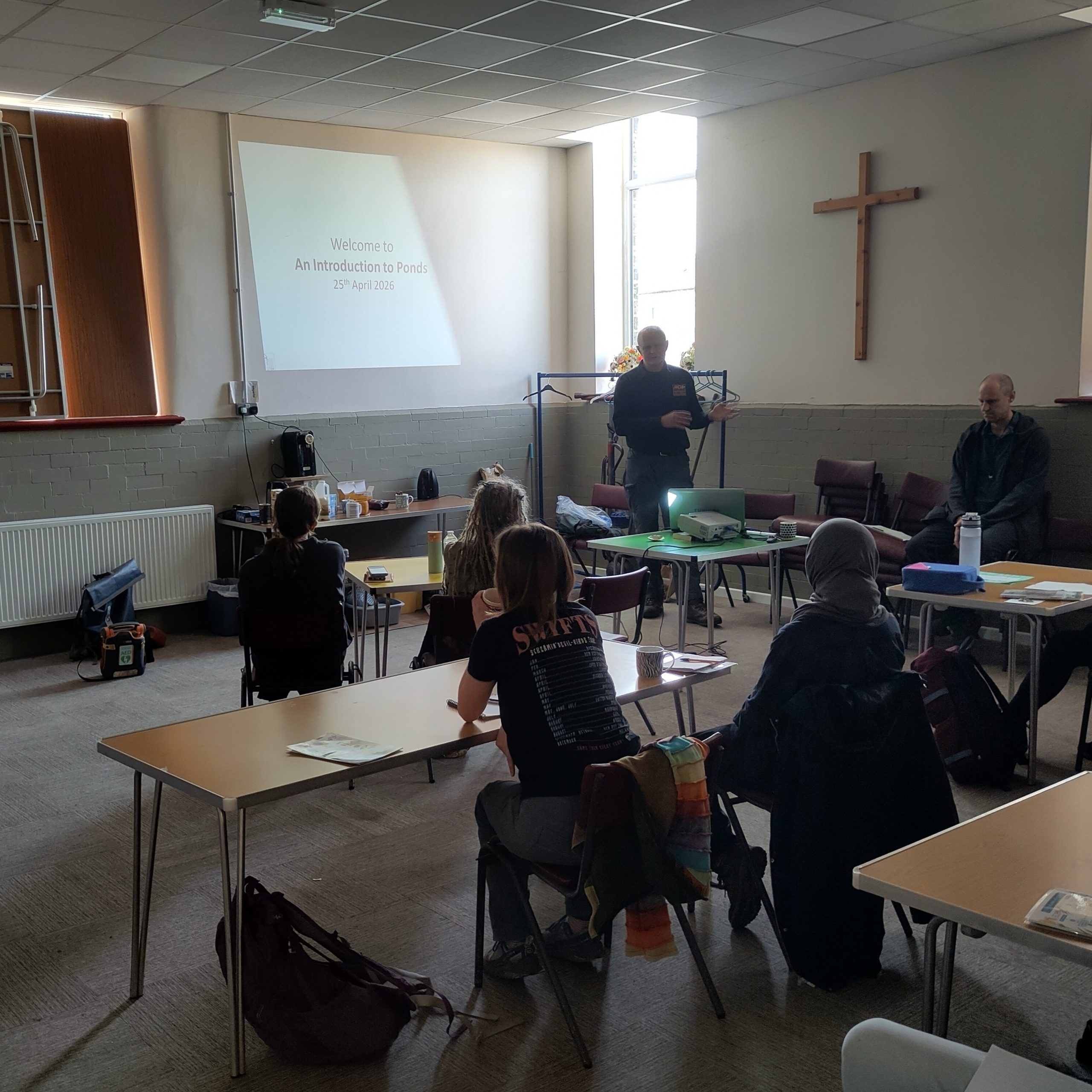
The day started indoors at Cambridge St Methodist Church, where two members of ARGL laid out the foundations of how to ID aquatic wildlife and how to best create/manage their habitat.
In the afternoon, the group headed to Peel Park & the Coppice LNR to get some experience in the field.
Presentation at Cambridge St Methodist Church
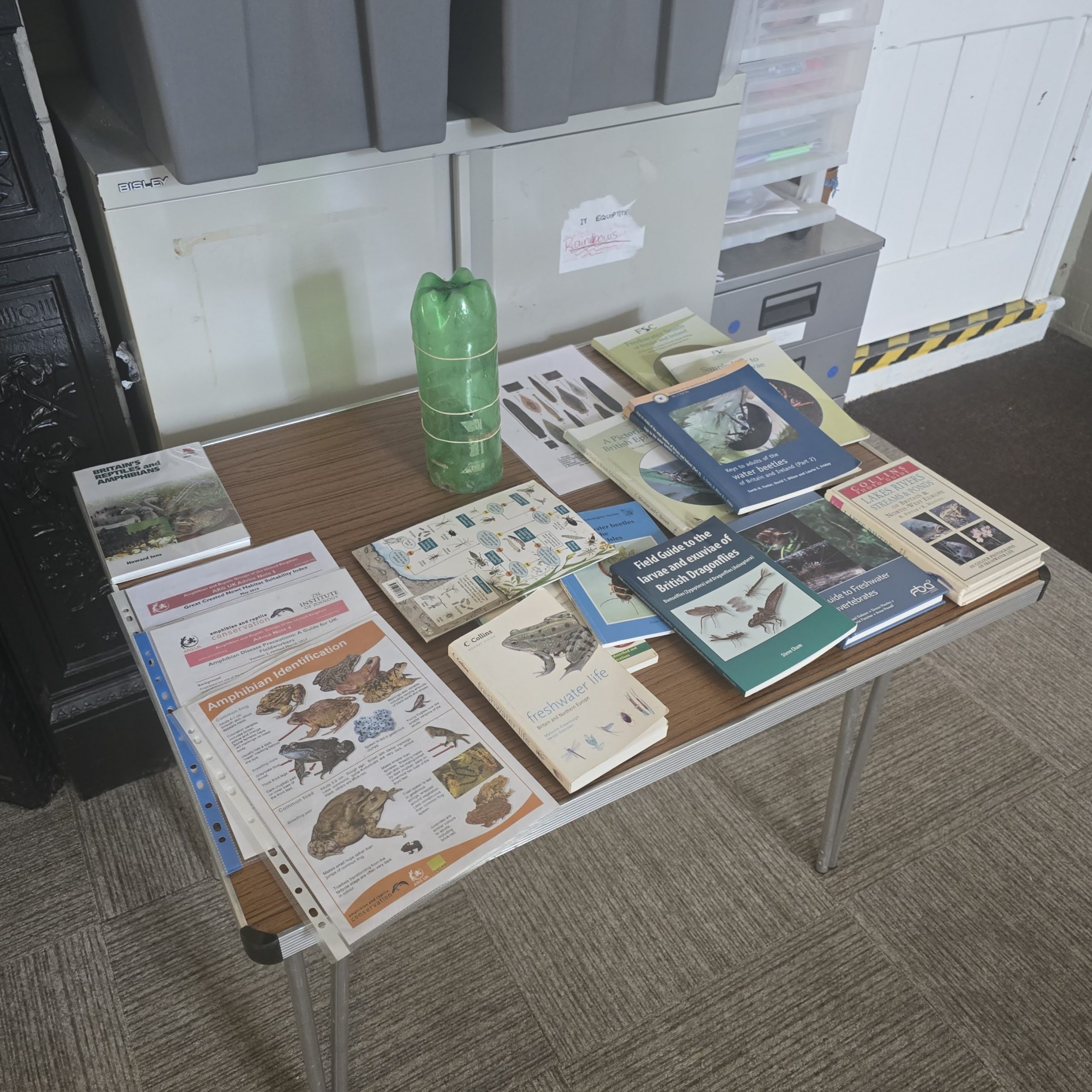
Useful Resources
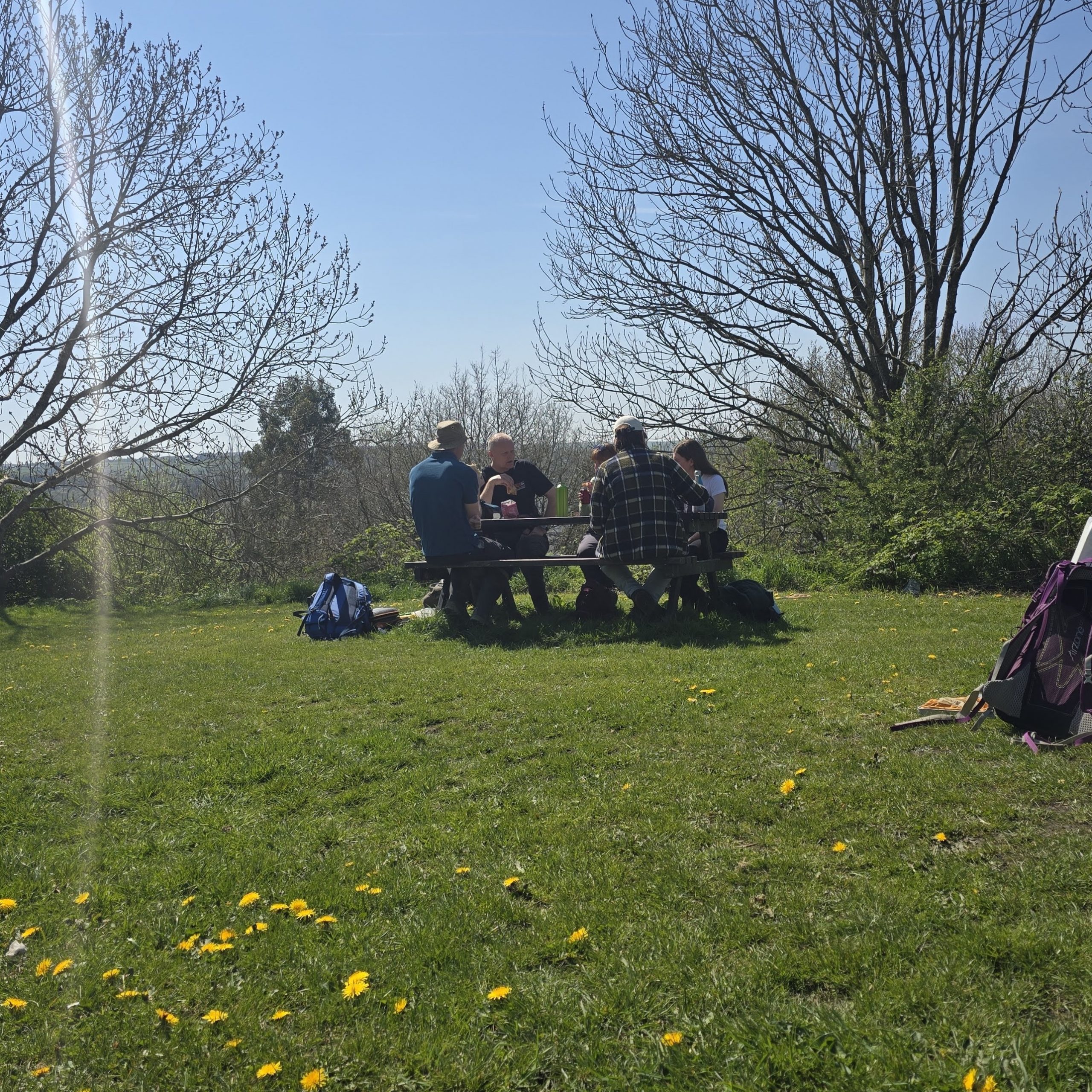
Lunch
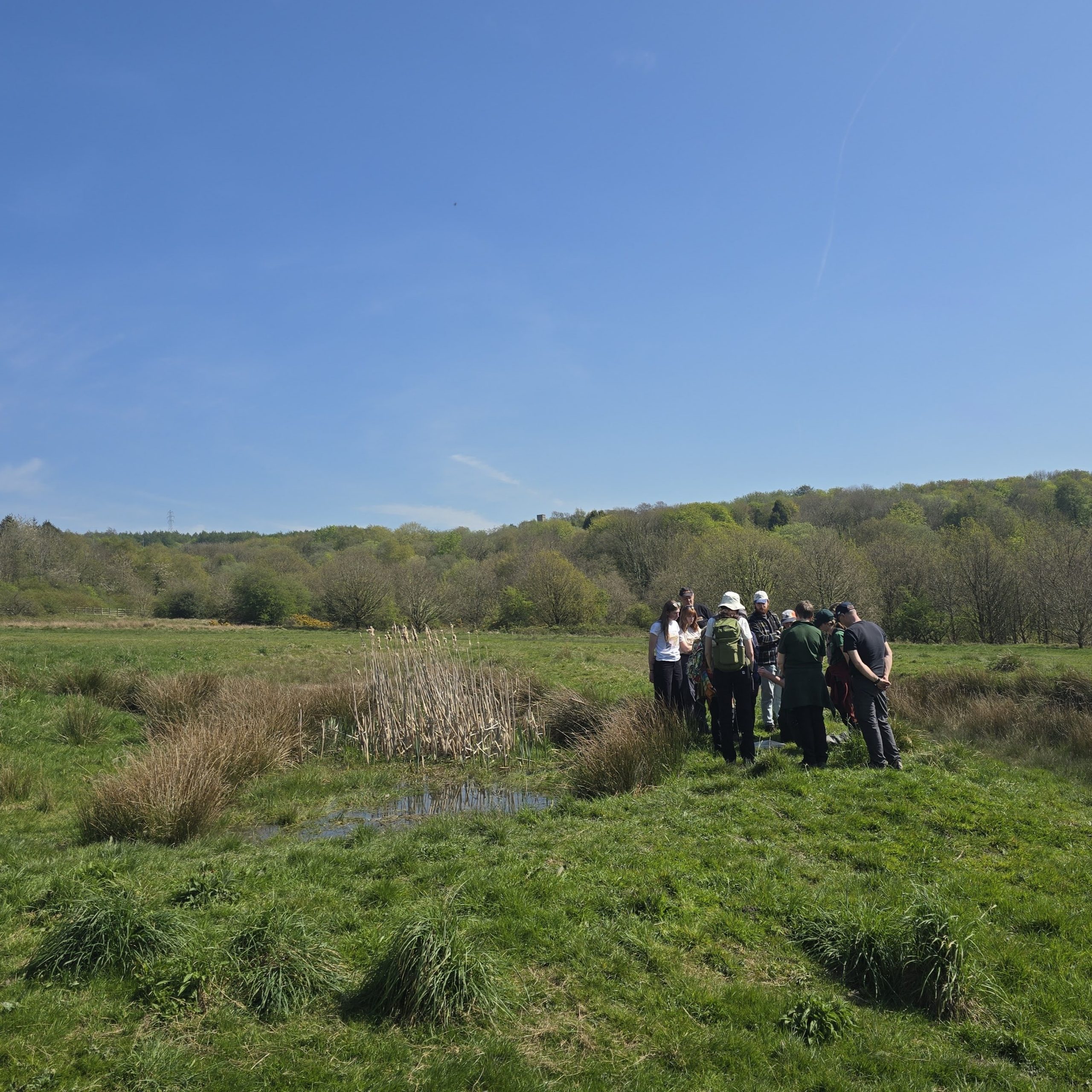
Pleck Meadow Pond
Plantation Pond
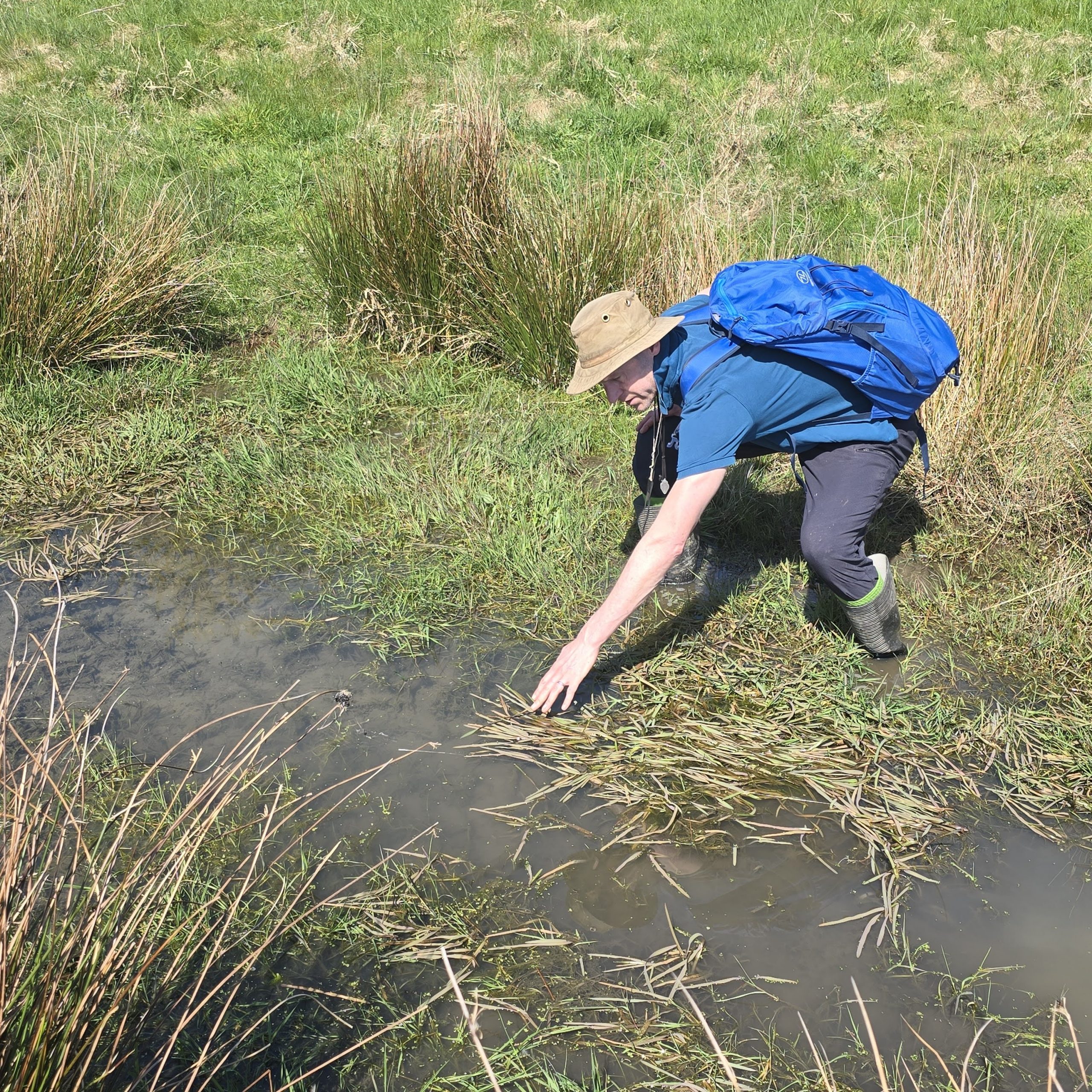
Exploring the new ponds at Pleck Meadow
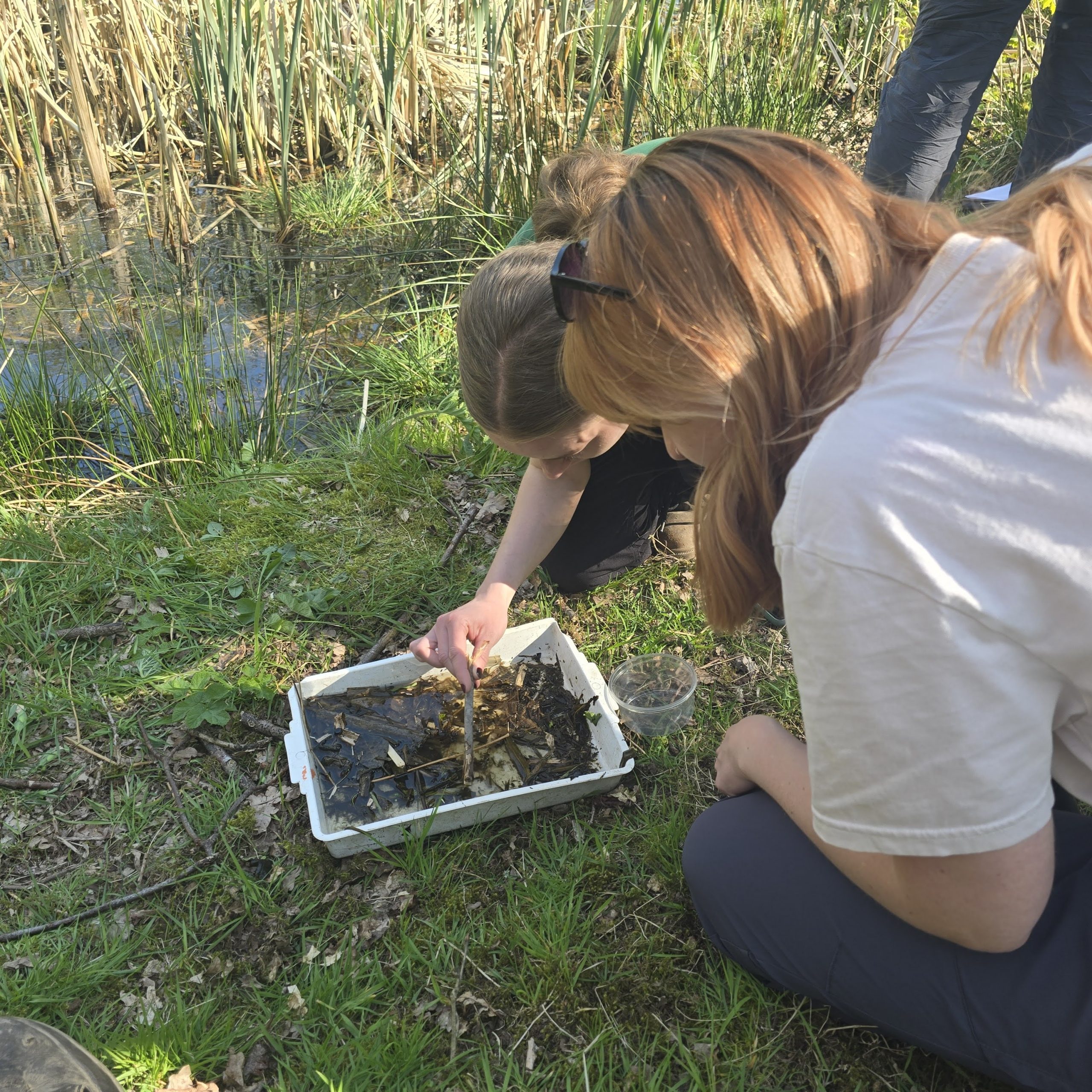
At Pleck Meadow, we talked through the basics of pond dipping as a survey technique and talked about the history of the three ponds there. As they were only created in Winter 2022/23, they are still quite new so it was a good place to start and talk about pond creation and what you can expect in the first few years.
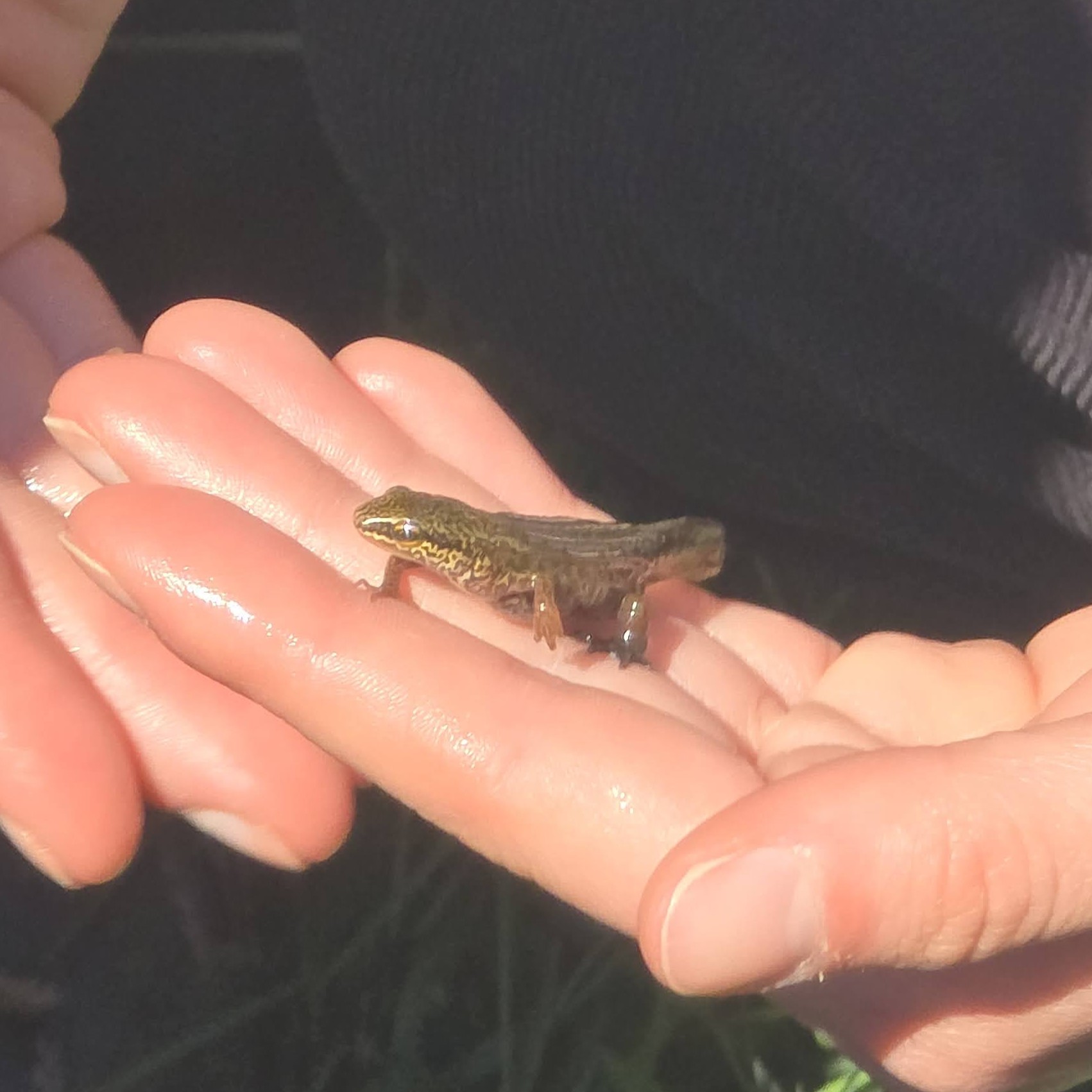
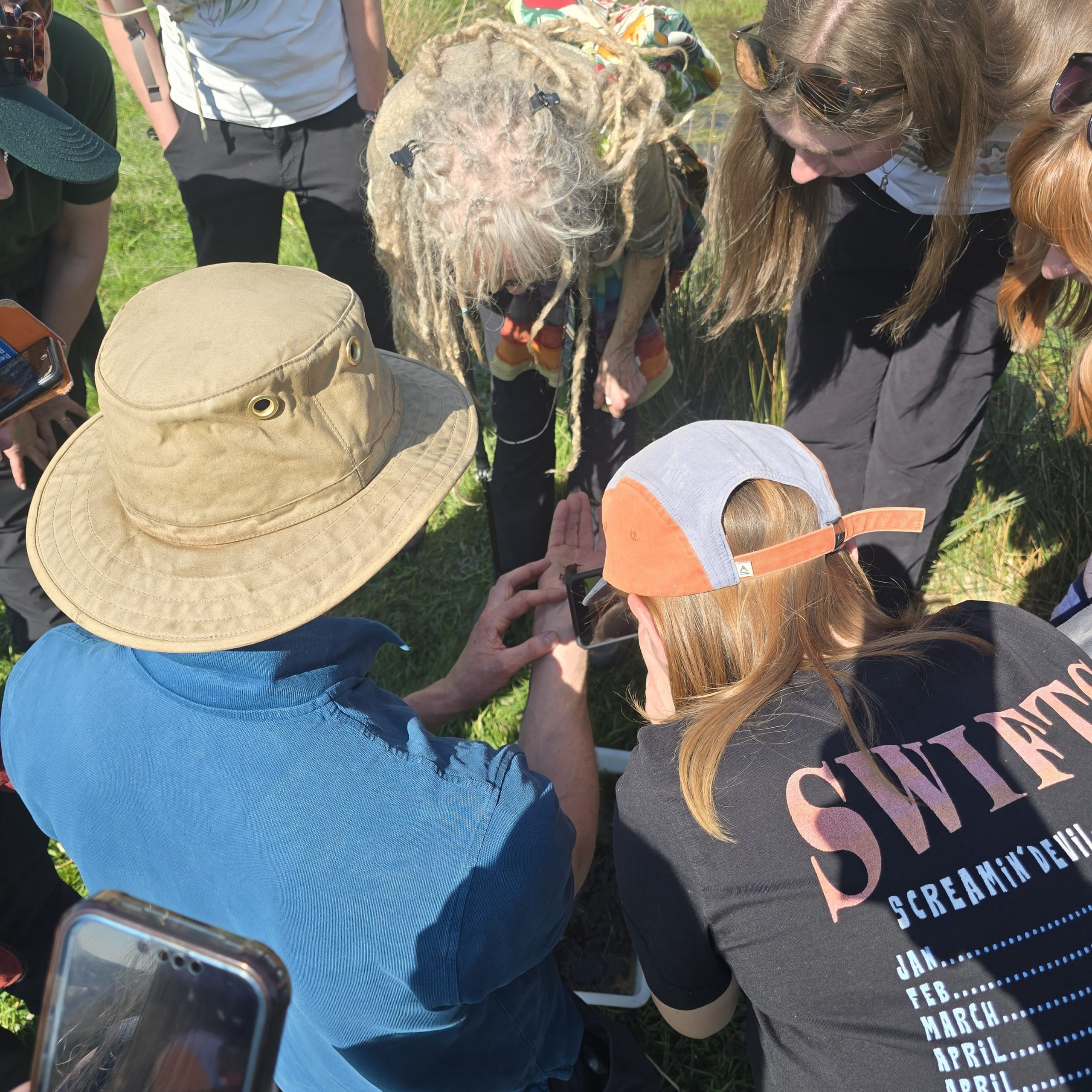
Whilst pond dipping we found some interesting critters with the highlight being an adult male Palmate Newt.
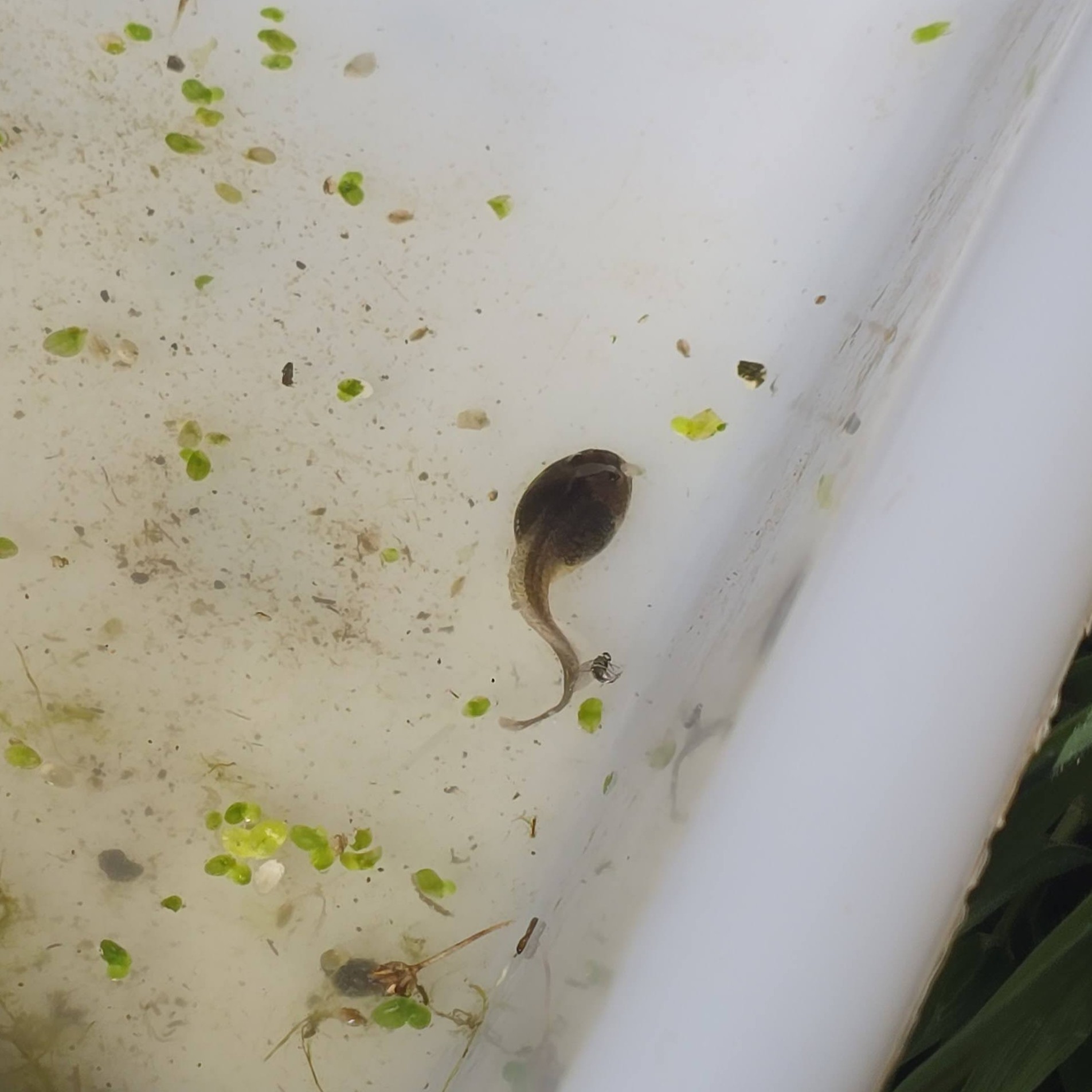
Following numerous sightings of Common Toad, Common Frog, and some clutches of frog spawn earlier in the year, we were happy to discover that there were frog and toad tadpoles in the ponds.
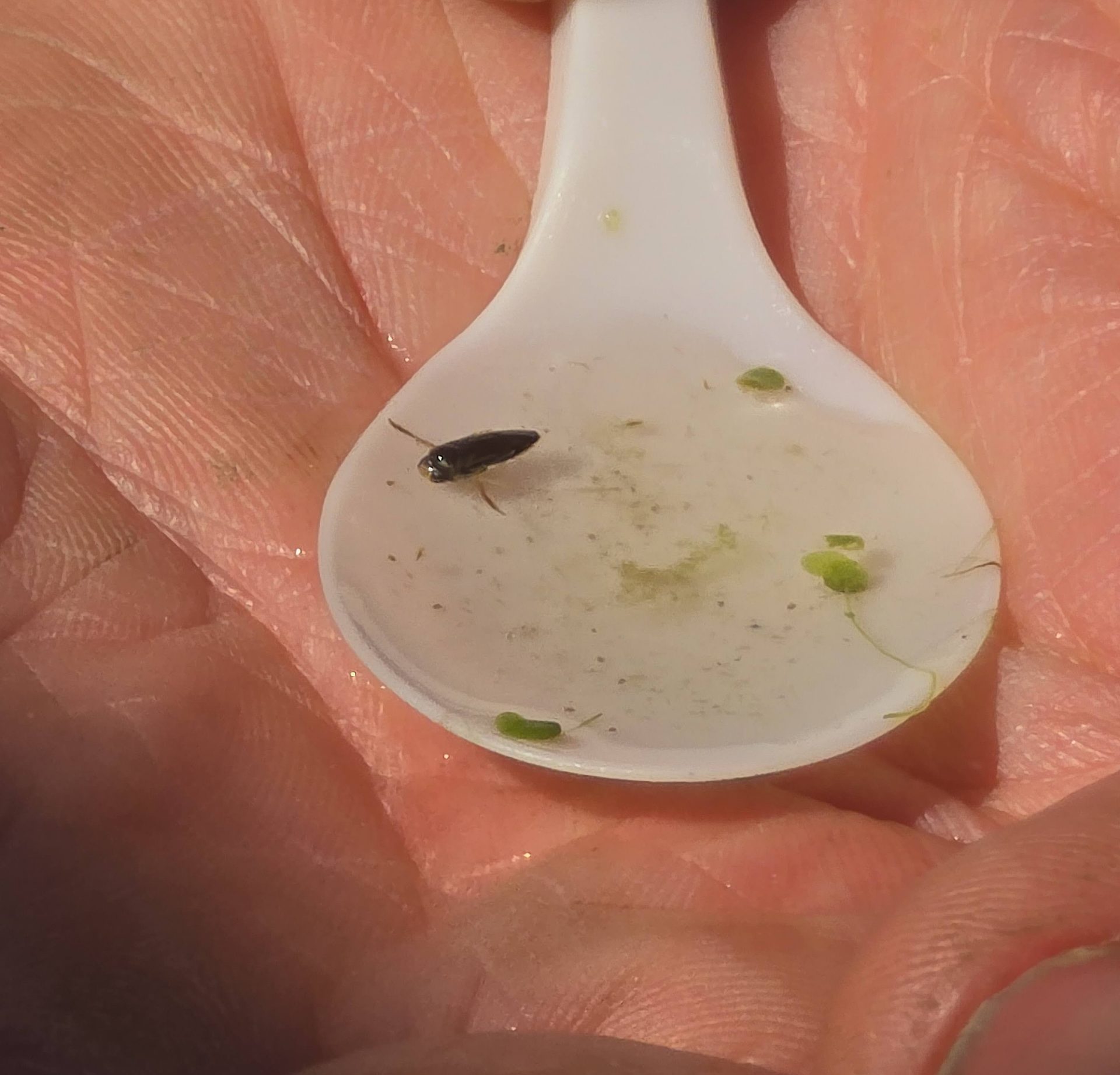
There were also many invertebrates such as midge larvae, Pond Skater, Marsh Snail sp., Pond Snail sp., Beetles (Diving, Hydrophylid sp., and Helophorid sp.) and Water Boatman.
We also identified some of the many plants that colonise ponds and their edges, such as Floating Sweet-grass, Marsh Violet, Soft Rush, Lesser Spearwort and Greater Bird's-foot Trefoil.
Male Palmate Newt
Frog Tadpole
Pointing out Floating Sweet-grass
Water Beetle
Looking at newt
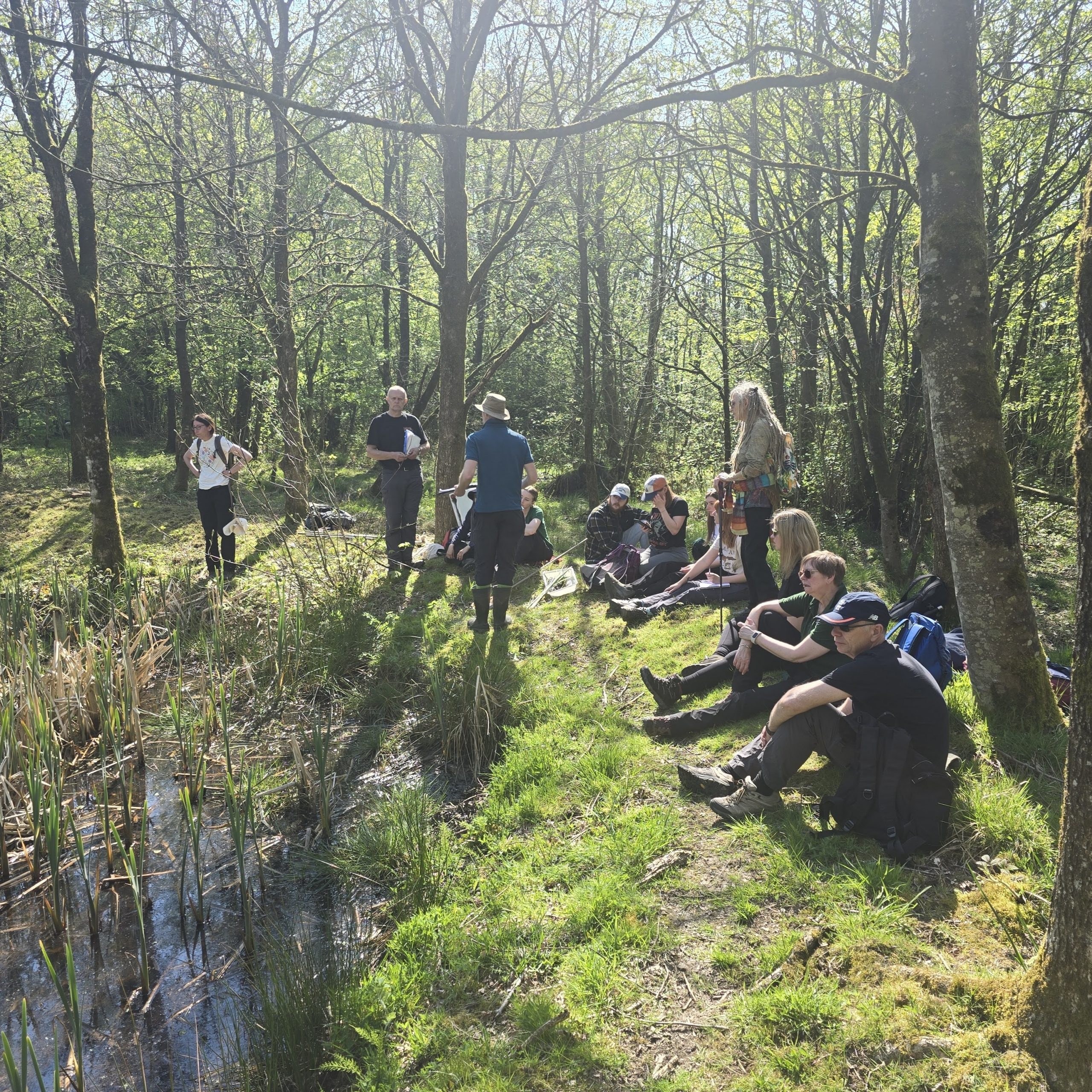
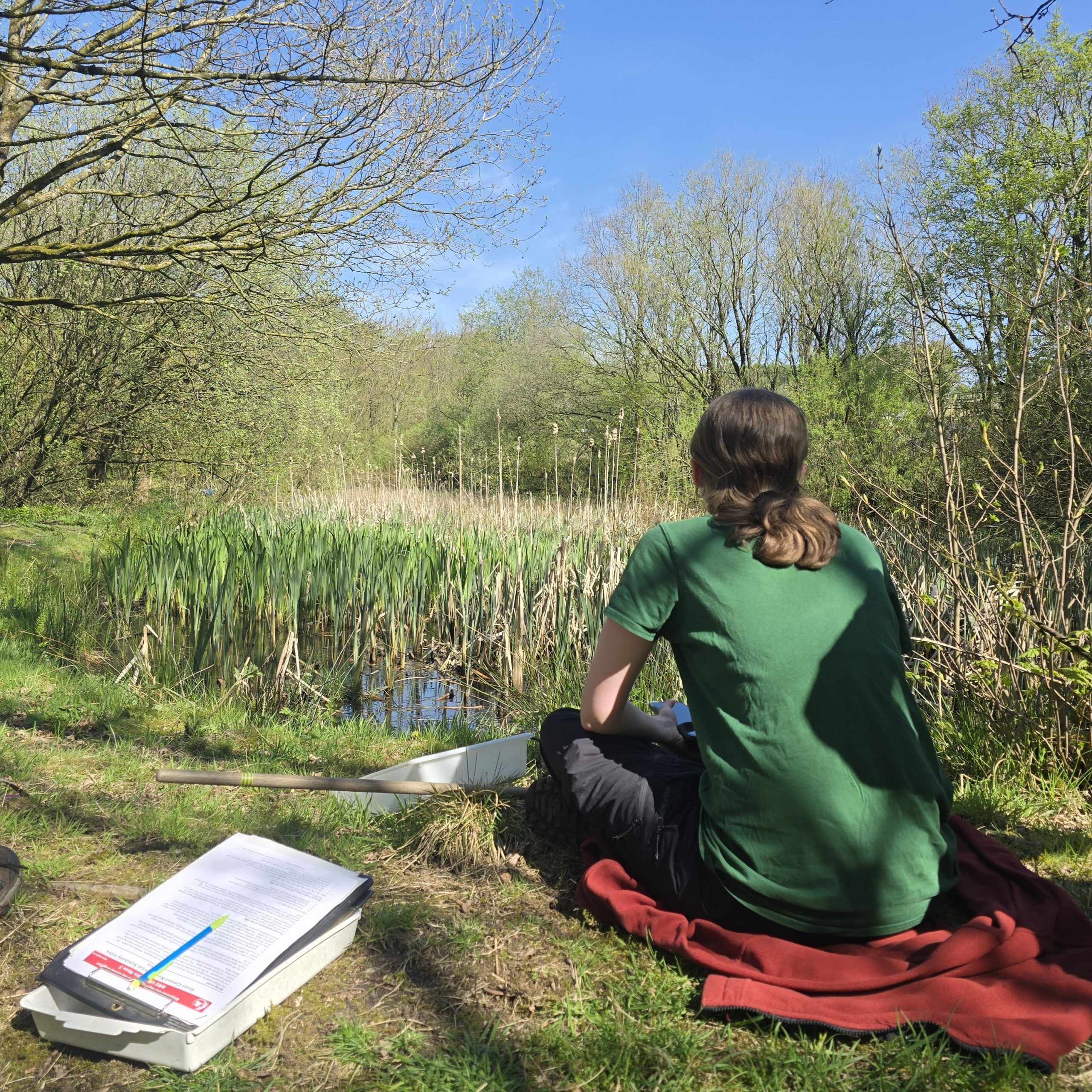
Plantation Pond & Slate Pits Lodges
After the new ponds at Pleck Meadow, we wanted to be able to showcase some more established ponds. The disused lodges at the top of Plantation Rd were once used to power the mills that resided there in the 1800s. Following their purchase from North West Water by Hyndburn Borough Council, they are now a thriving aquatic ecosystem used by amphibians, invertebrates and water fowl.
However, due to the lack of keystone aquatic species like Water Vole and Beavers, they are starting to get overgrown and are becoming less biodiverse as ponds due to succession.
Succession is the natural process of habitats being succeeded by other habitats. E.g., many ponds accumulate sediment over time which can start supporting larger plants like shrubs and trees. Accumulating sediment and vegetation eventually dry up the pond, which then becomes scrub or woodland. Although this is a natural process, it is usually counteracted by keystone species which we lack at Peel Park & the Coppice LNR. Ponds are incredibly important habitats, so we want to prevent their succession.
So our discussion began with what sort of management could be done to reverse their degradation. 3 key factors were identified:
- Removing Invasive Non-Native Species like Himalayan Balsam
- Removing some of the widespread vegetation such as Reedmace to create more open water.
- Removing some of the trees bordering the pond so that it is less shaded (the majority of pond inhabitants are cold-blooded/exothermic, so they need sunlight to warm up and become active)
These are some of the factors that we will take in to consideration with future management.
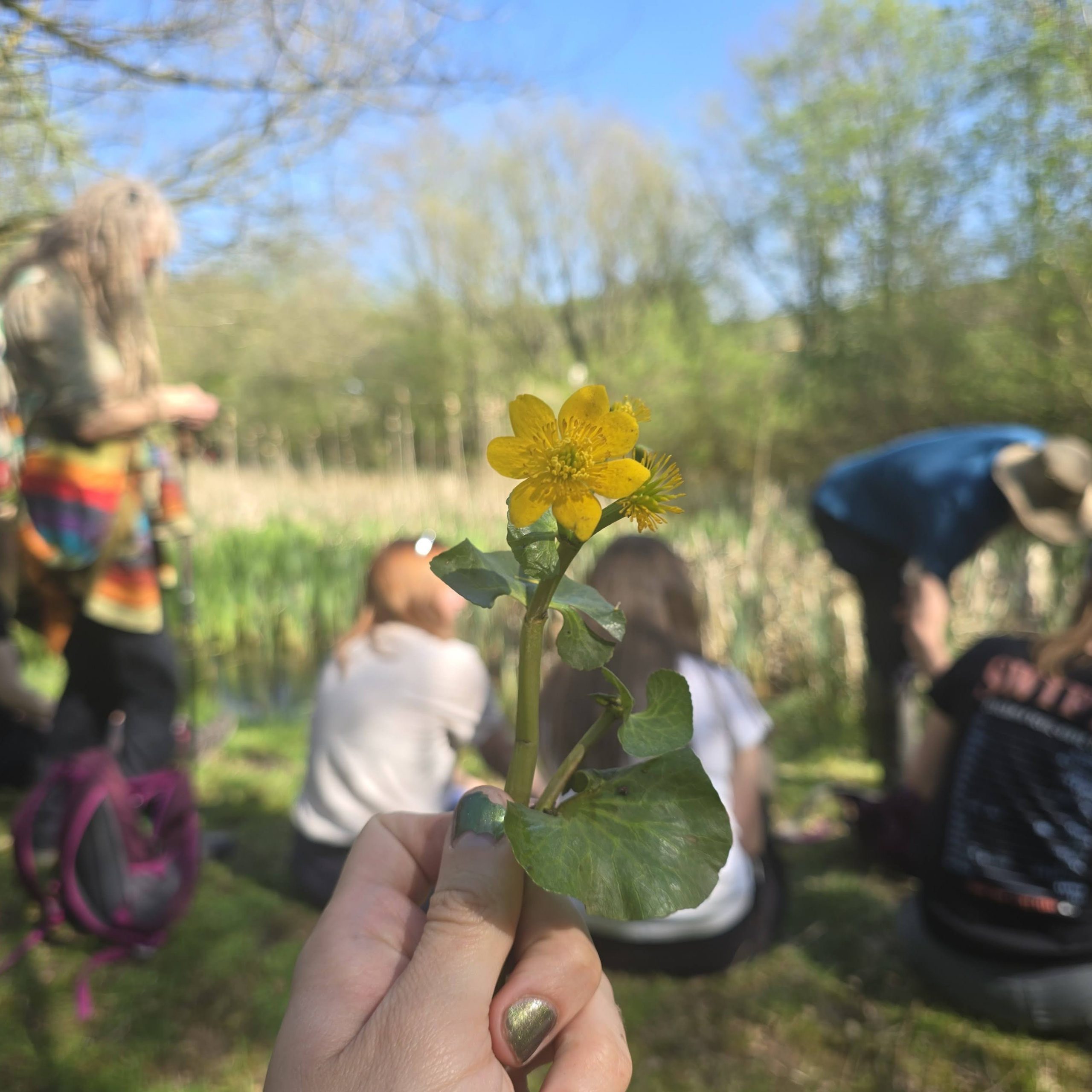
We also identified some other species here, like Marsh Marigold, Frogbit, Yellow Flag Iris, Hoglouse, and midge larvae.
Marsh Marigold
Plantation Pond
Looking at dipping trays
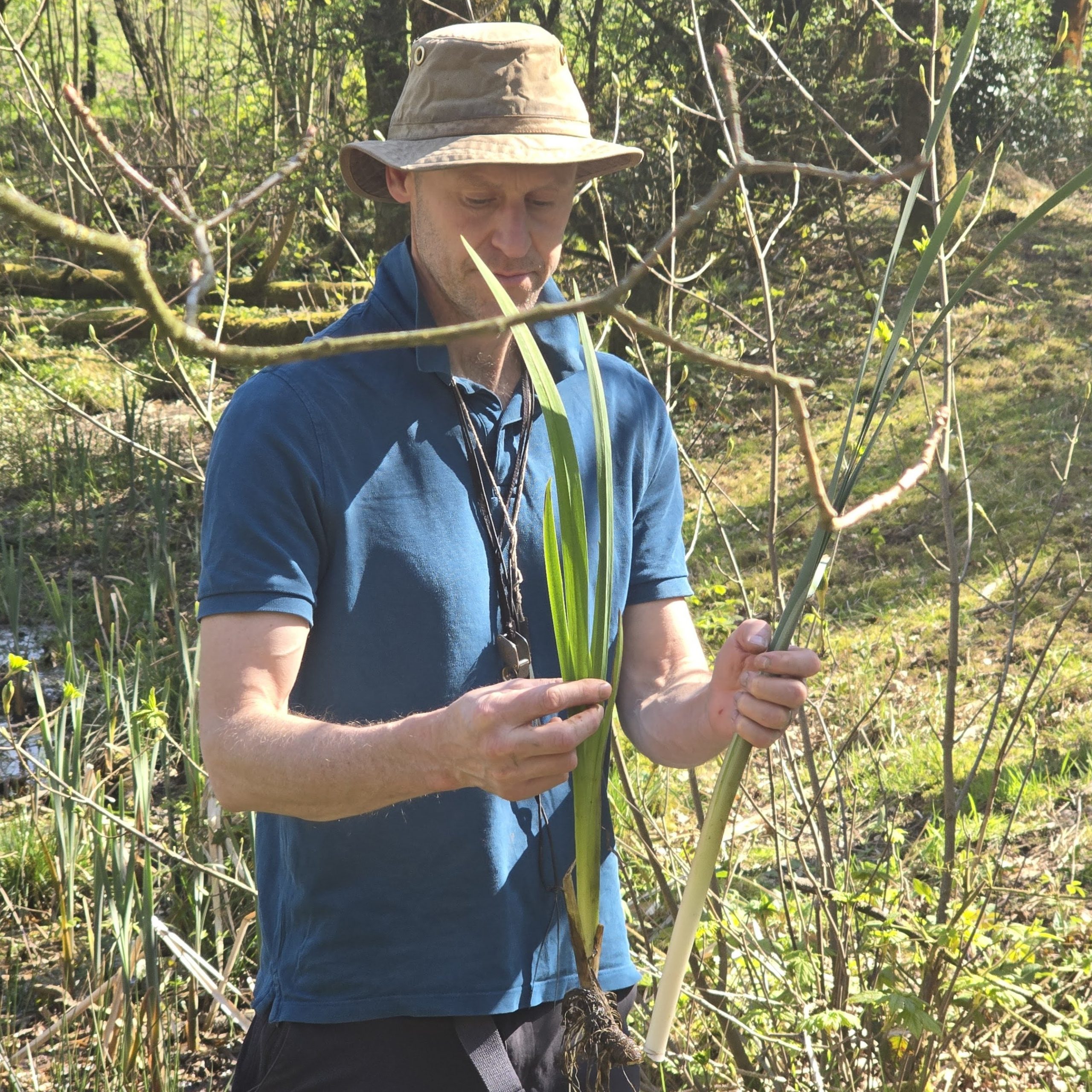
Difference between Flag Iris (flat leaves) and Reedmace (rounded stem)
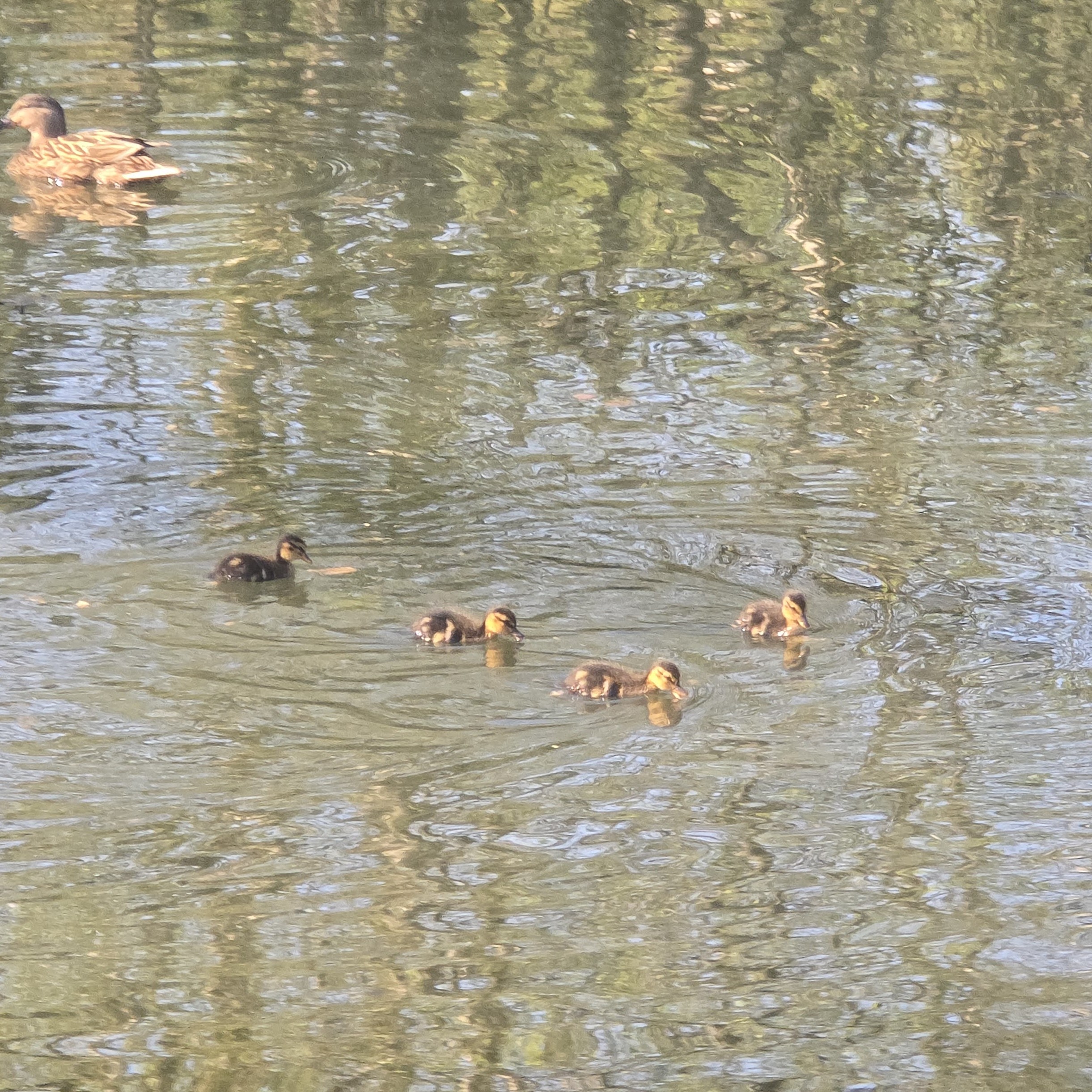
Ducklings at Slate Pits Lodge
Feedback from the day
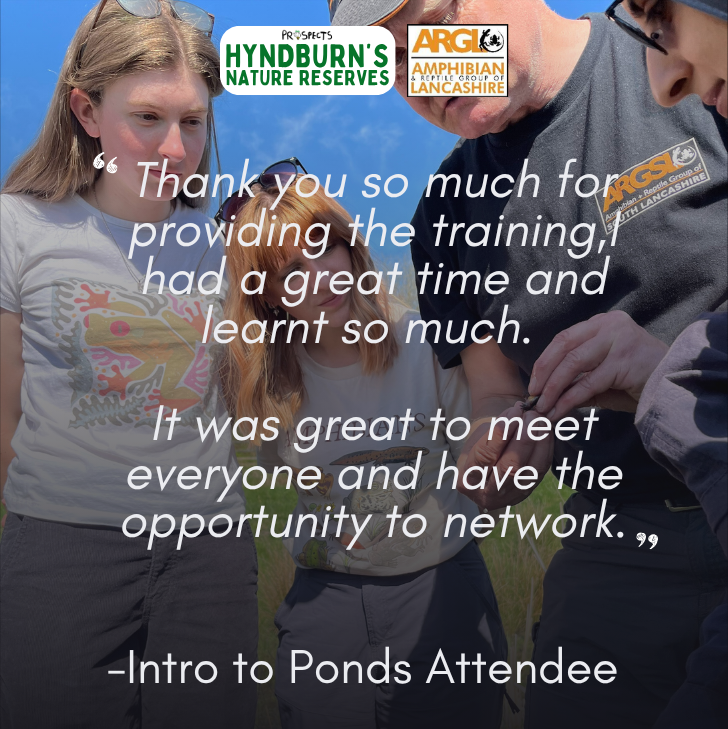
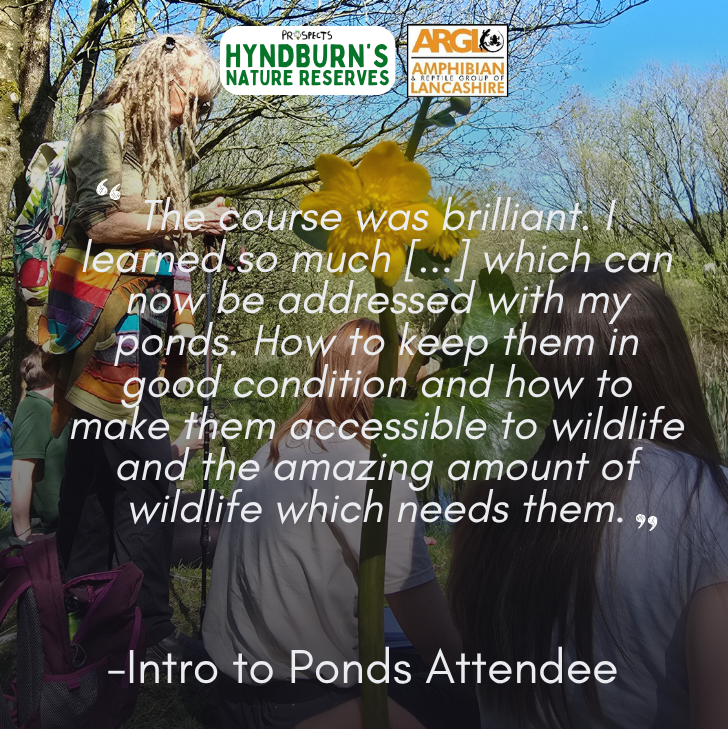
Feedback from attendees on the day was overwhelmingly positive, here are some highlights:
Feedback #1
Feedback #2
Feedback #3
Want to find out more?
Prospects will be continuing to host volunteer sessions, some of which will involve pond management. There will also be some pond creation and more training events throughout the Hyndburn's Nature Reserves project, so be sure to stay in the loop by signing up to our newsletter and checking out our events page.
Or, contact robert.gabryszak@prospectsfoundation.org.uk for more info!
With many thanks to Dave and Jim from Amphibian Reptile Group Lancashire for leading on the day.
Thanks to our funders:
Windfall Fund
Hyndburn Borough Council
With thanks to the players of the People's Postcode Lottery
Postcode Green Trust